

Kitchen items from black-plastic release dangerous chemicals in food
02 December 2024
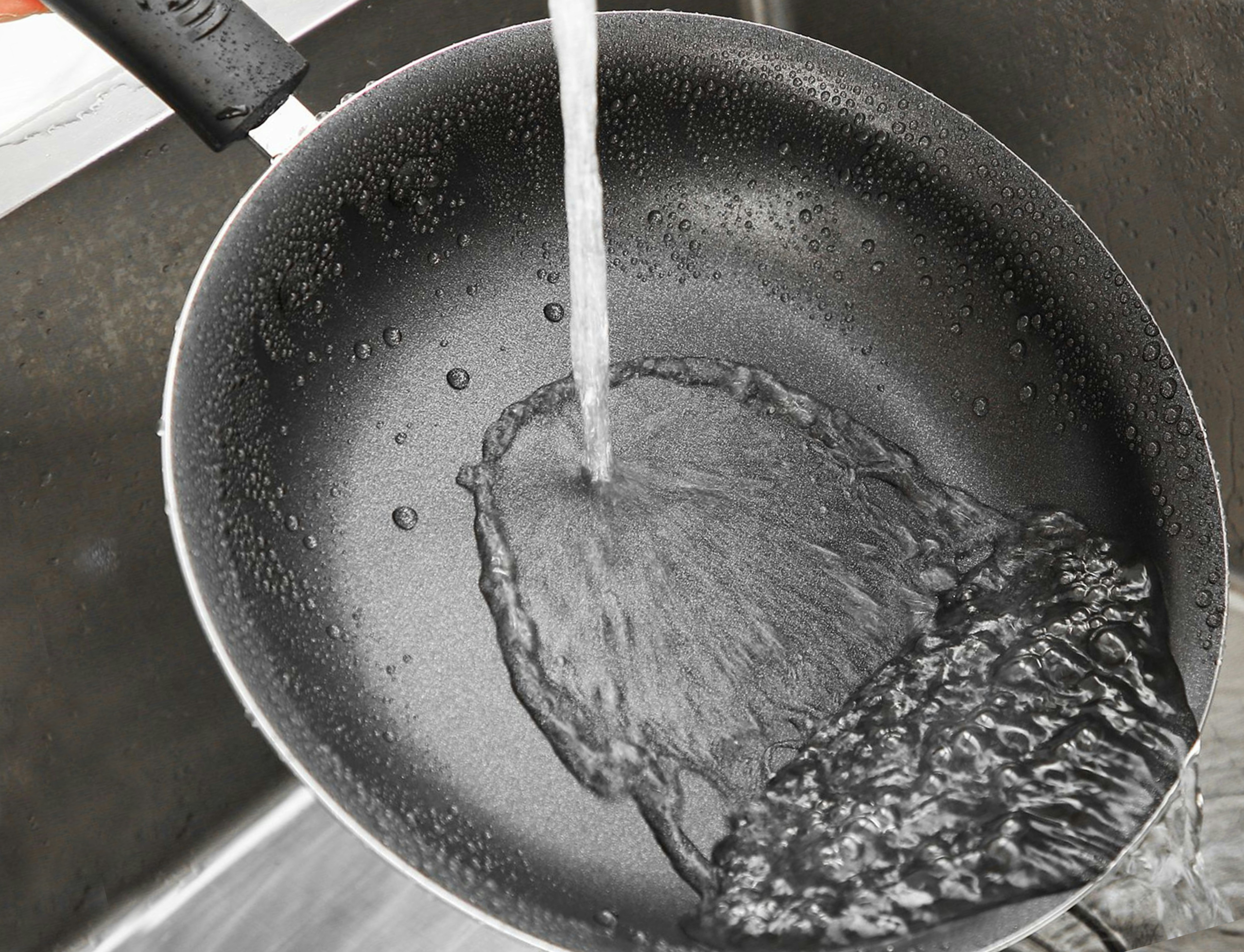
A recent study conducted on household products in the US found high levels of flame retardants in cooking utensils and even children’s toys produced from recycled plastics. Flame retardants are highly toxic materials used in black plastic from TVs, computers, and other electronics.
According to sources familiar with the study, a lot of the substances used as flame retardants, have been banned for a long time and are “incredibly toxic”. Heating up the resulting plastic products containing them, such as spatulas, spoons, or a takeout boxes, increases the rate of chemical migration into food, making things worse.
Although it only refers to the US, this study raises questions on the safety of food contact materials from recycled plastics in Europe, too as consistently raised by SAFE since 2020, concerning the lack of scrutiny on final articles from recycling.
Only starting substances and processes are monitored under the current system. .
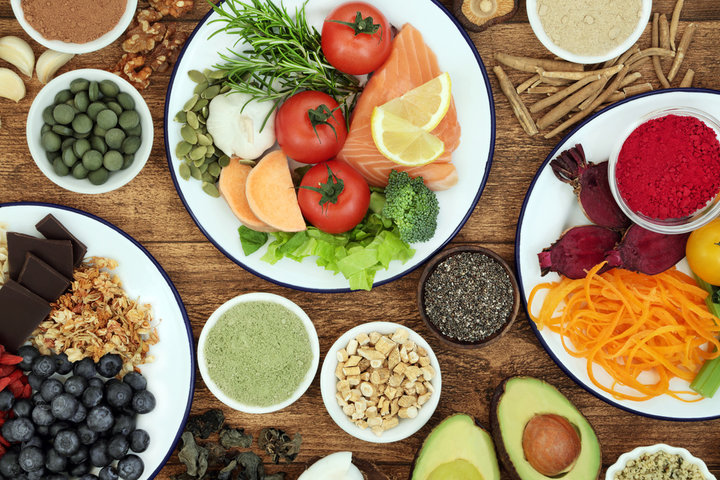
Healthy dietary patterns are linked to a lower risk of cognitive decline
A recent study published in JAMA Neurology reported that healthy dietary patterns are linked to…

Healthy dietary patterns prolong life expectancy, regardless of longevity genes
A study published in Science Advances examined whether five well‑known healthy dietary patterns are associated…
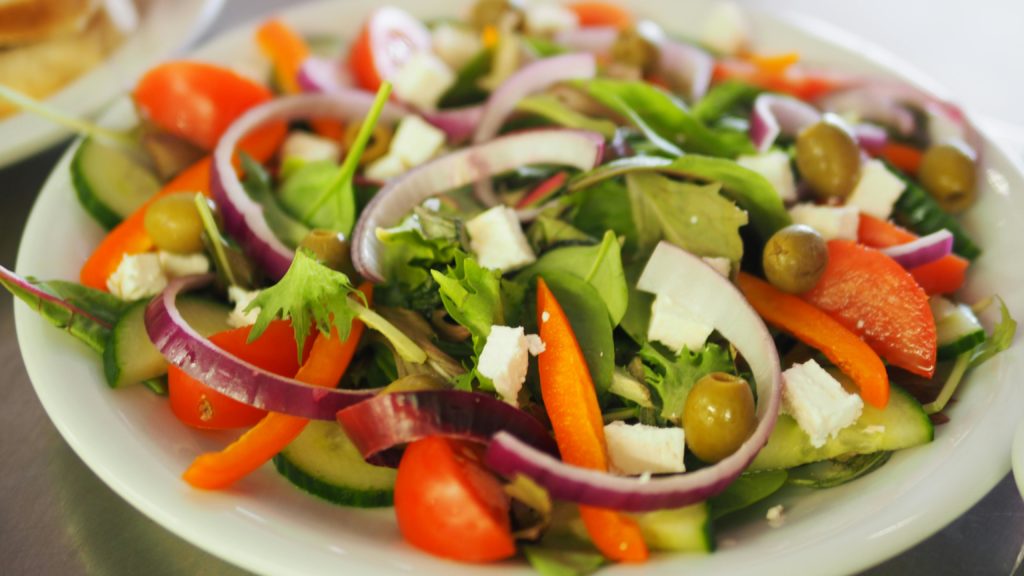
Italian study proves impact of Mediterranean Diet on CVD prevention
A meta-analysis of 1.4 million people published in Science Direct shows consistent protection against cardiovascular…

One in five hazardous mixtures not reported to poison centres
Inspectors working with the European Chemicals Agency (ECHA) in 18 countries carried out a pilot…
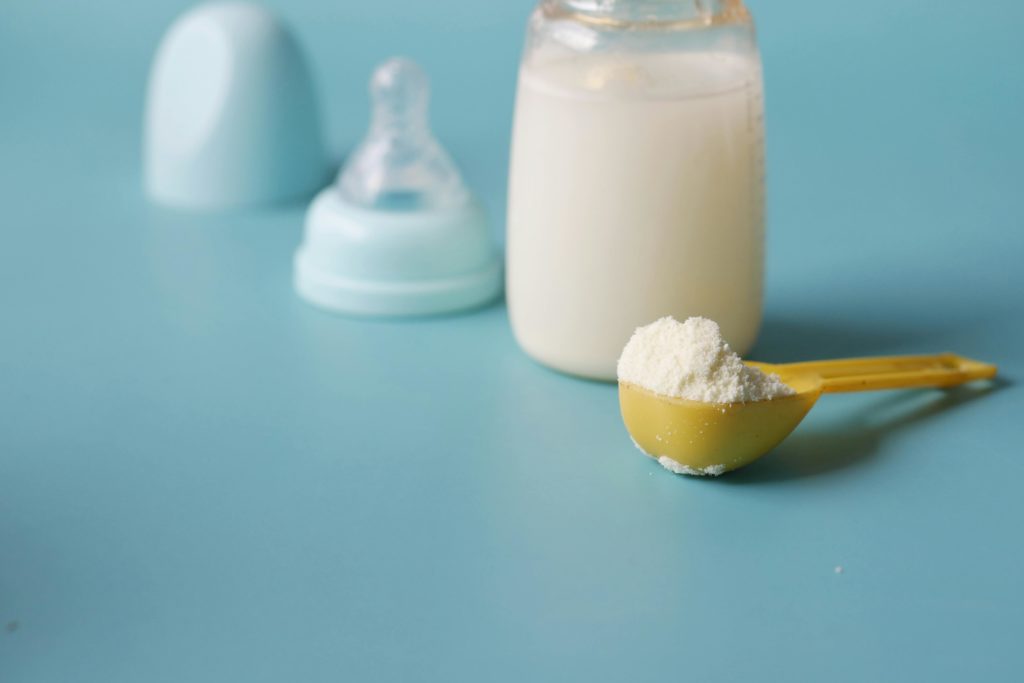
EU imposes new toxin threshold following worldwide infant formula recalls
The European Food Safety Authority (EFSA) has introduced a new maximum safe daily intake level…

Infant formula alert exposes gaps in EU food safety oversight
The infant formula alert due to cereulide contamination underscores loopholes in the EU’s food safety…