
Italian study proves impact of Mediterranean Diet on CVD prevention
17 February 2026
A meta-analysis of 1.4 million people published in Science Direct shows consistent protection against cardiovascular diseases (CVDs) from Mediterranean diet. The study, run by Italian researchers led by Roberto Volpe from the National Research Council, found that even a one-point increase in adherence score to the Mediterranean diet provides measurable cardiovascular benefit.
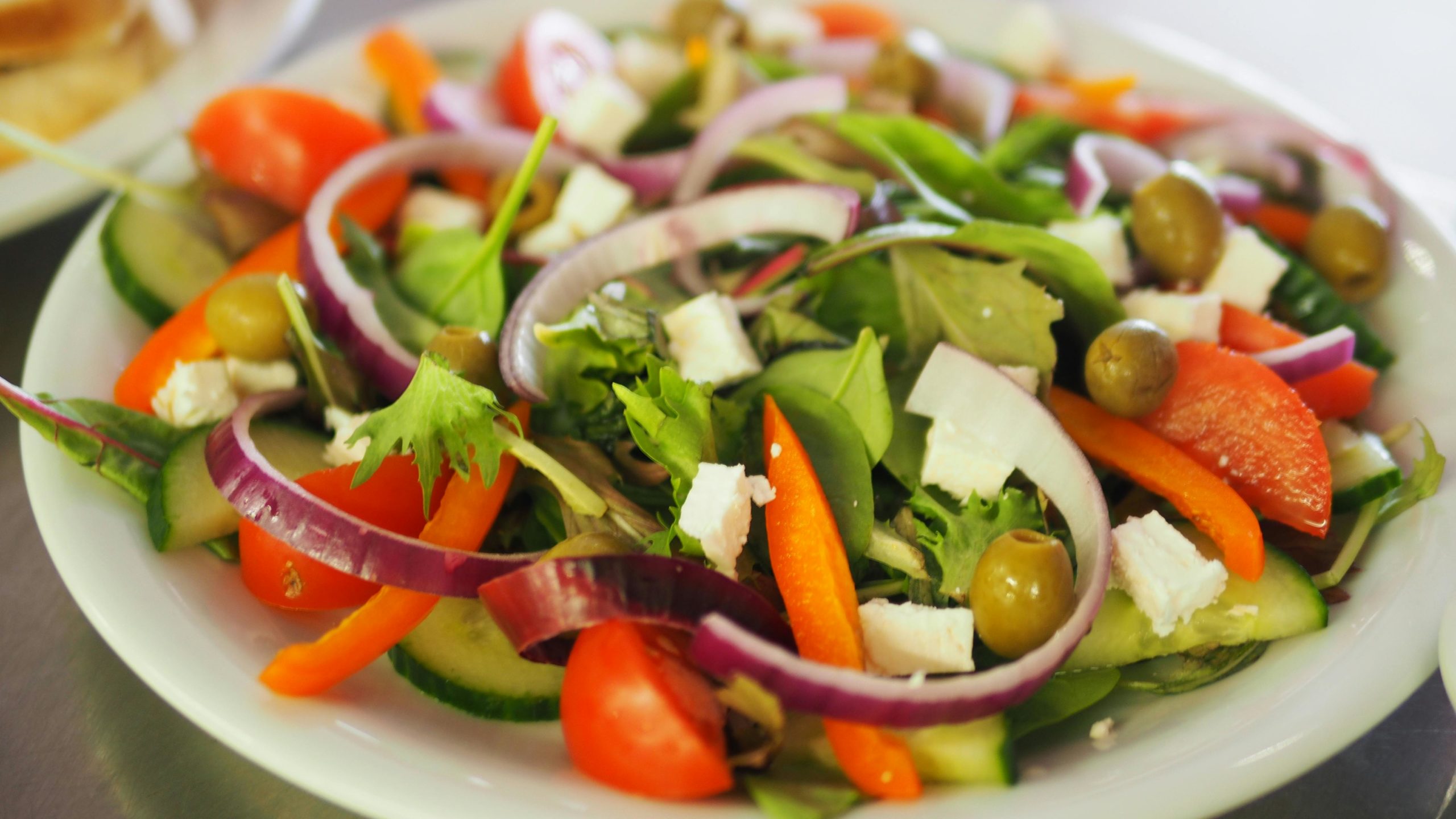
The Meditaerranean diet is characterized by high intake of plant-based foods, including vegetables and pulses, olive oil as the main source of dietary fat, frequent consumption of fish, and relatively low consumption of meat.
The meta-analysis is based on 87 studies encompassing over 1.4 million participants. Higher adherence to the Mediterranean diet was consistently associated with a reduced risk of peripheral artery disease, coronary heart disease, atrial fibrillation, cerebrovascular disease, hypertension, and CVDs mortality.
The strongest evidence emerged from high-quality Randomised Controlled Trials from the landmark PREDIMED study.
The research team calls for the promotion of policies that make the principles of this nutritional model more accessible, including in Southern European countries, traditionally following the principles of the Mediterranean diet but increasingly shifting away from it.
Last December, the European Commission presented its Cardiovascular Health Plan to address the number one death cause in the EU. Although it acknowledges the importance of promoting healthier diets, SAFE believes that it falls short of compulsory measures, notably targeting the aggressive marketing of unhealthy foods.
Barcelona plans network of affordable shops
Barcelona is preparing a network of shops designed to make fresh food more affordable for…

UPFs: The Commission has all the elements to implement mitigation measures
The worker in the factory places the chicken schnitzel The health risks associated with the…
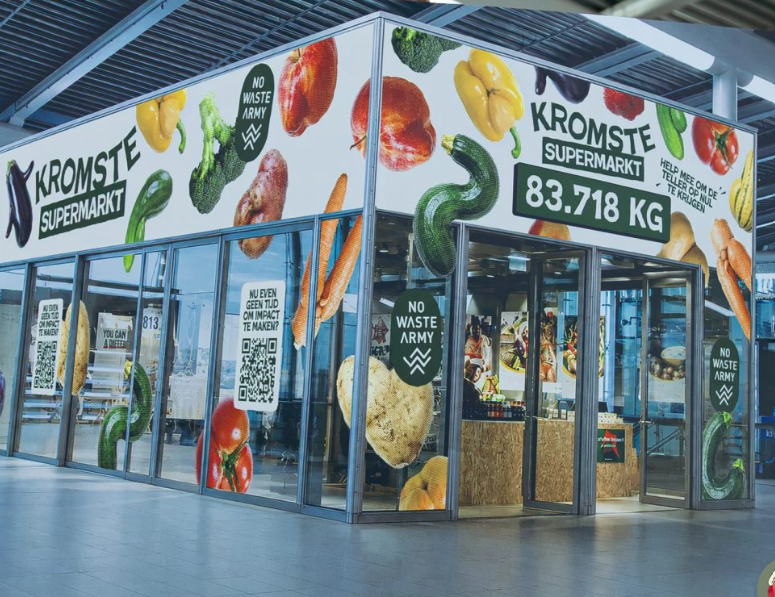
Utrecht is opening a supermarket for “ugly food”
In Utrecht, the Netherlands, from 7 to 13 September, the No Waste Army organisation is…

France becomes first EU country to ban social media access for under-15s
France’s parliament has approved a bill banning social media access for children under 15, making…

Social media marketing influences our food choices
As the UK, Canada, or Austria move towards restricting social media use for minors, studies…
The Lancet confirms Chile’s pioneering food policy is helping reduce childhood obesity
A new study published in The Lancet provides the first national-level evidence that Chile’s comprehensive…