SAFE’s Webinar on Eating Disorders
23 September 2026
As part of our Food4Inclusion campaign on mental health and nutrition, we organised on 23 September the webinar “Eating Disorders: Towards Stronger EU Action”.
Eating disorders are a frequently disregarded aspect of mental health, a problem that is drawing increasing attention in European policymaking.
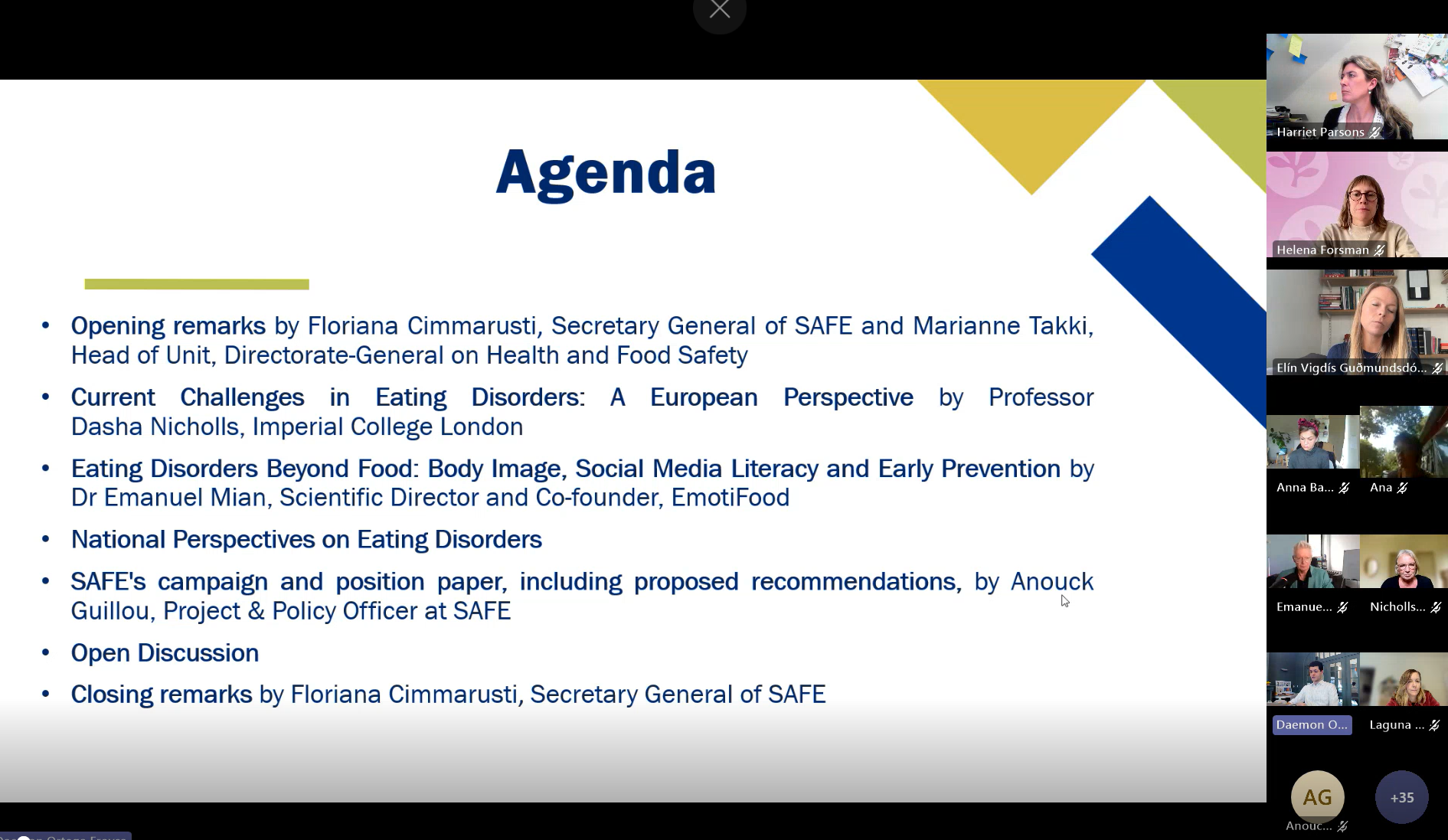
The webinar brought 68 participants from the European Union and the UK, including eating disorder organisations, academic experts, and doctors to discuss prevention, treatment and policy action.
In her opening remarks, Marianne Takki from DG SANTE presented the EU’s broader mental health initiatives and the need to address the influence of social media and excessive screen time to protect young people.
Professor Dasha Nicholls of Imperial College London explained that eating disorders are driven by a combination of biological, psychological and social factors, including genetics, body dissatisfaction and social pressure. She also highlighted the significant impact of the COVID-19 pandemic on mental health and eating disorders and stressed that eating disorders are underfunded compared with other mental health conditions.
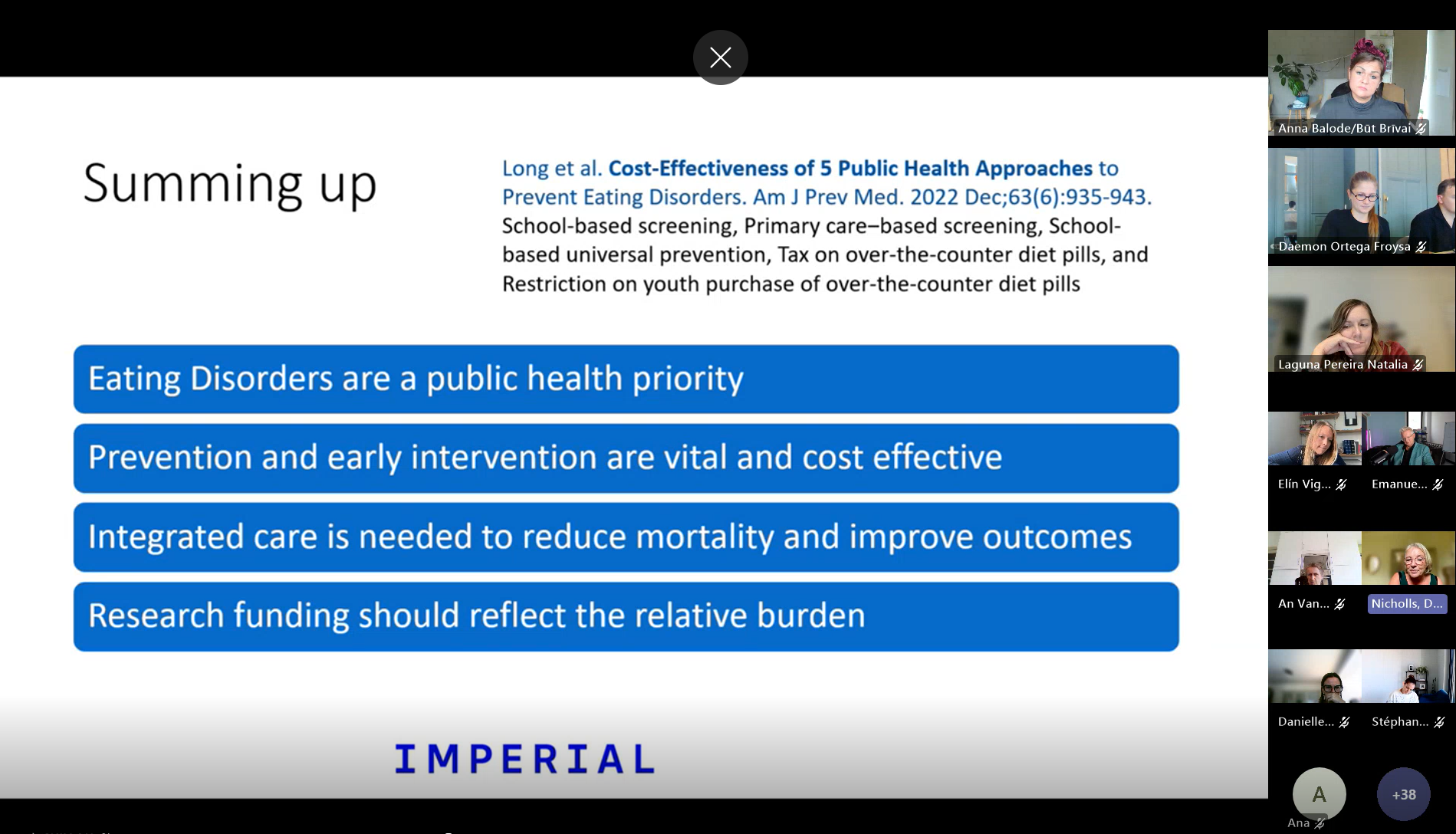
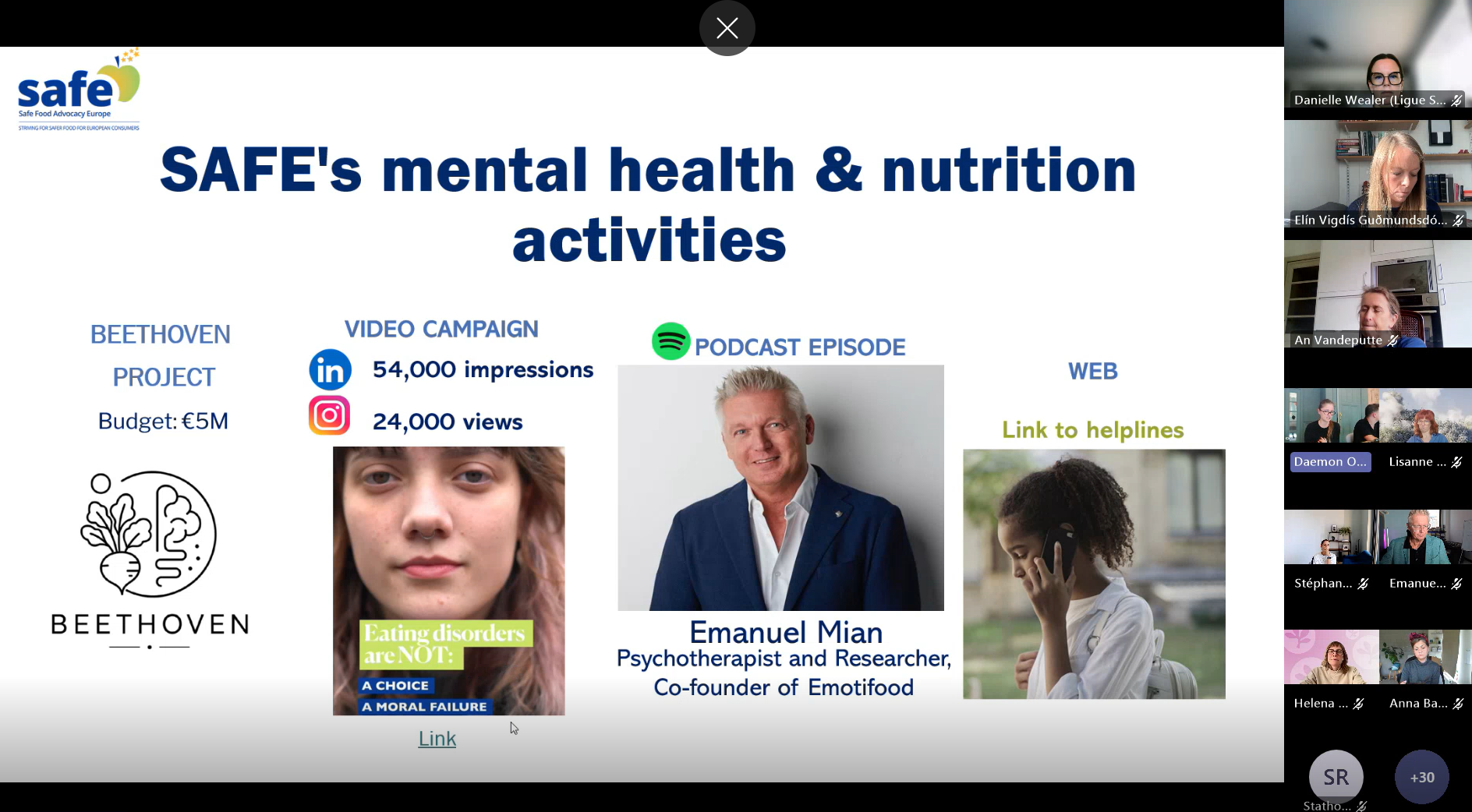
The role of online environments was an important part of the discussion. Doctor Emanuel Mian from Emotifood highlighted that many young people now form their body image through online content rather than through family or peers. Algorithms on social media intensify social comparison, and adolescents are often more exposed to content driving eating disorders. He stressed that preventing eating disorders should be seen as part of broader mental health prevention efforts.
Organisations from Italy, Poland, Belgium, Ireland, Latvia, Austria, Slovenia, Croatia, Luxembourg, Sweden, Iceland and Greece shared national experiences. Common challenges included shortages of specialised services, unequal access and quality of treatment. The organisations also presented their actions, including prevention workshops and campaigns on toxic diet culture, body shame and social pressure from the Polish Centrum Terapii Zaburzeń Odżywiania, family support programmes from the Irish organisation Bodywhys, and a collaborative project between Nordic countries (Nordic Hope) to improve care and recovery, initiated by the Icelandic organisation SÁTT.
SAFE concluded the webinar by presenting its draft position paper on eating disorders. The main concerns included fragmented policies, inequalities in access to care, limited data and research, and insufficient regulation of harmful online content. Participants agreed on the need for a more coordinated EU response, stronger prevention measures, greater investment in research and better protection of young people online.