Final event of SISTERS project in Brussels
25 March 2026
On 23 March 2026, the final conference of the Horizon Europe SISTERS project gathered researchers, policymakers, businesses and civil‑society stakeholders in Brussels to present the results of four years of coordinated work to reduce food loss and waste across the European food system. The project was led by the technology centre AITIIP and aimed to tackle food loss and waste at every stage of the food chain, from primary production to retail.
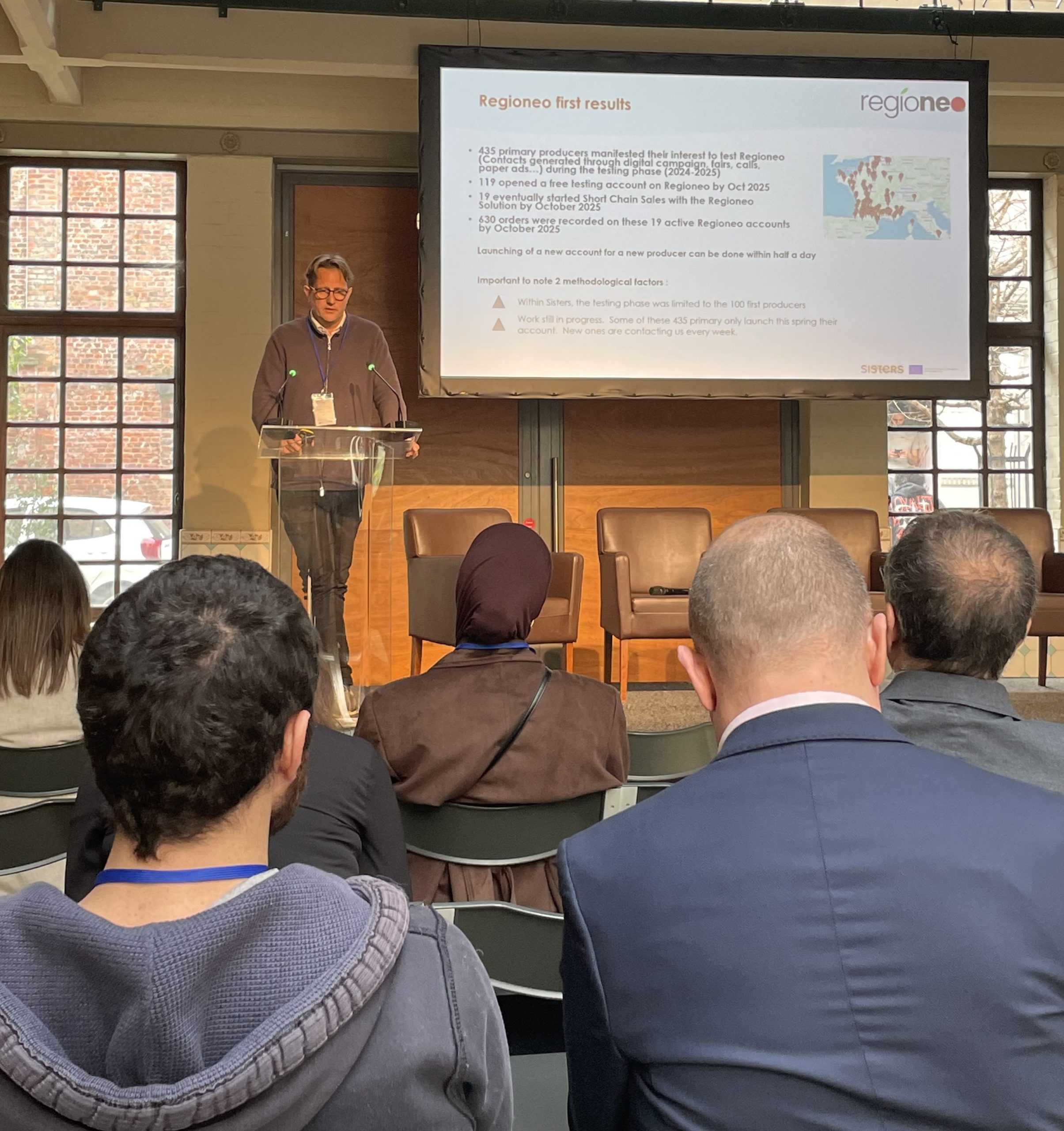
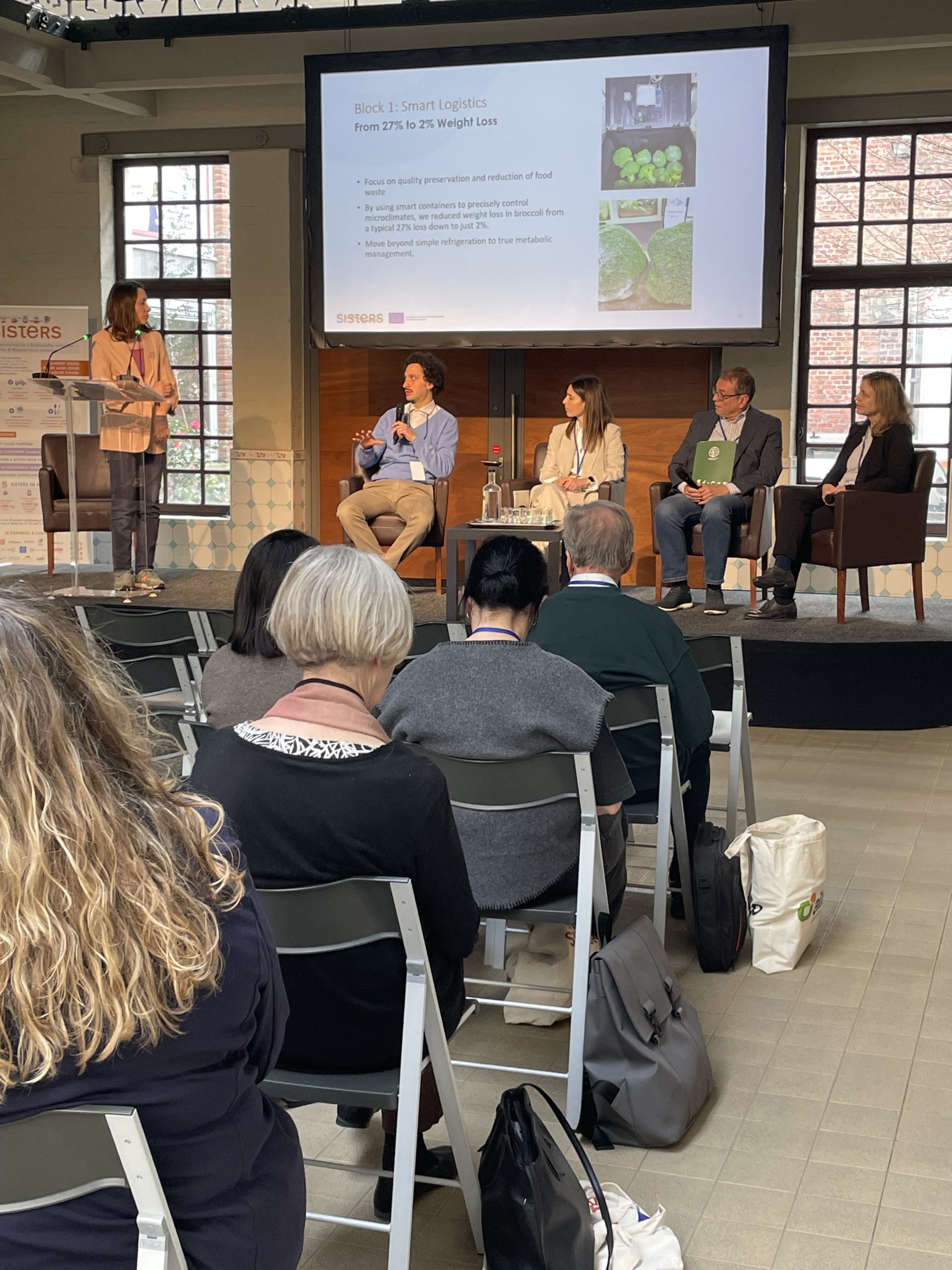
To achieve this, SISTERS developed several innovations. Regioneo, presented by BM Services, is a short‑chain sales platform that enables farmers to sell imperfect produce directly to consumers. Smart BulkBox and StoreBox containers were designed to reduce food loss during transport by maintaining stable microclimates. The consortium also created home‑compostable bio‑based packaging for products such as apples, spinach, lettuce, and cheese. A Seal of Excellence was established to recognise retailers that demonstrate good waste reduction practices, while dynamic QR labels were developed to provide clear product and sustainability information to consumers.
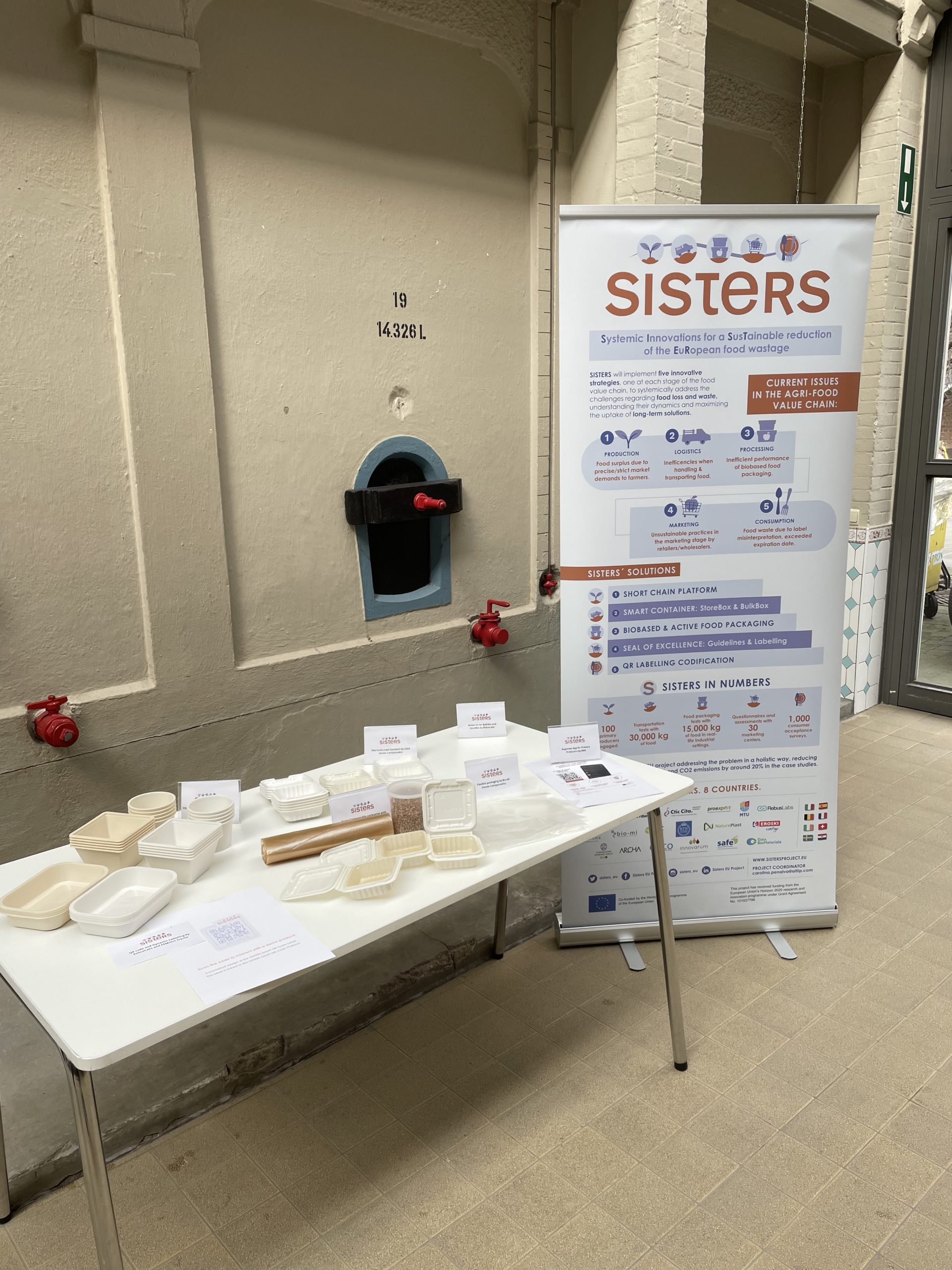
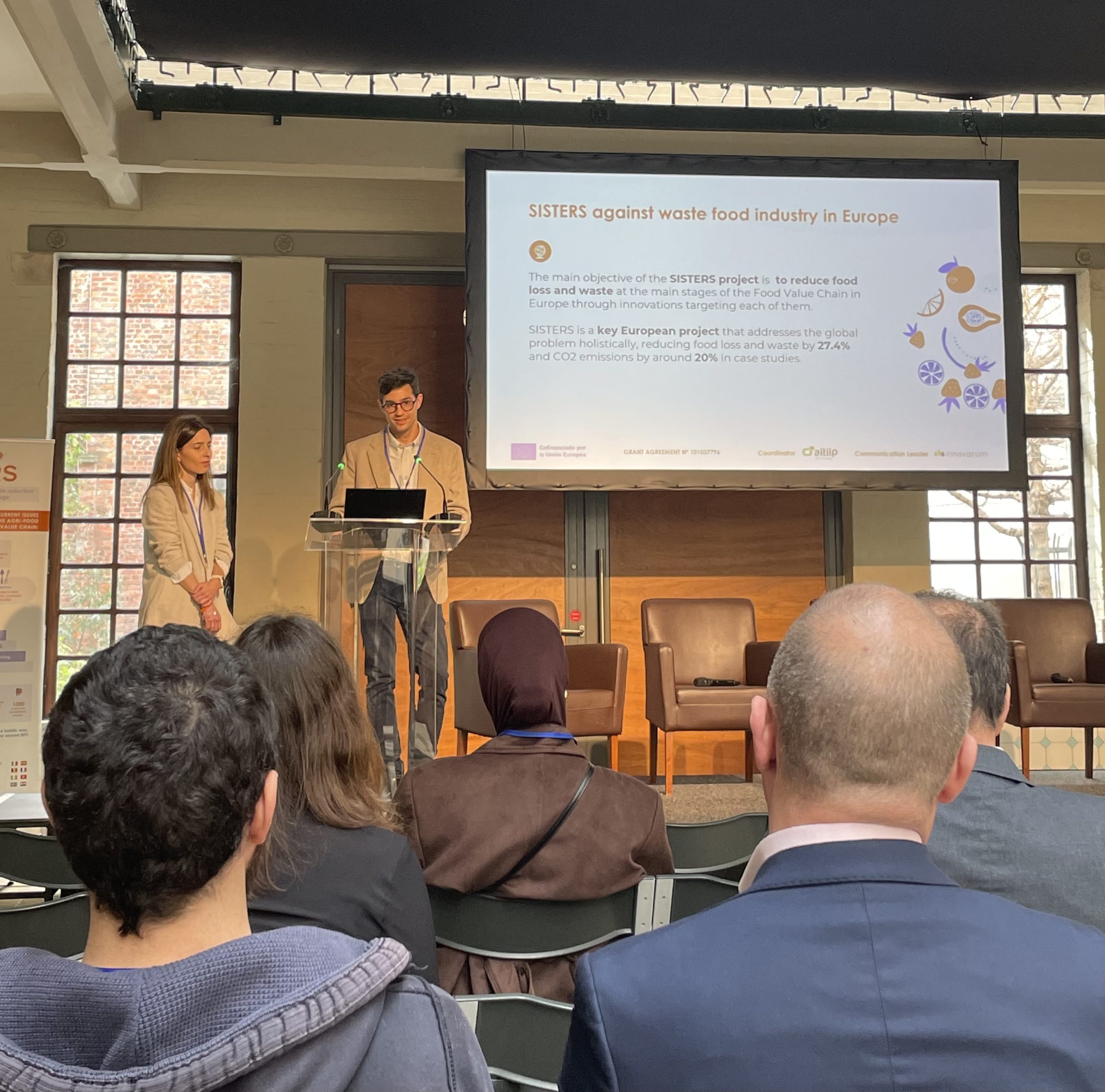
At the end of the project, SISTERS’ impact is significant. The innovations projected a 20 to 30% reduction in food loss and waste in primary production, up to 15% in retail, and up to 30% at the consumer-level. It also projected a reduction in CO₂ emissions by 24% in spinach supply chains.
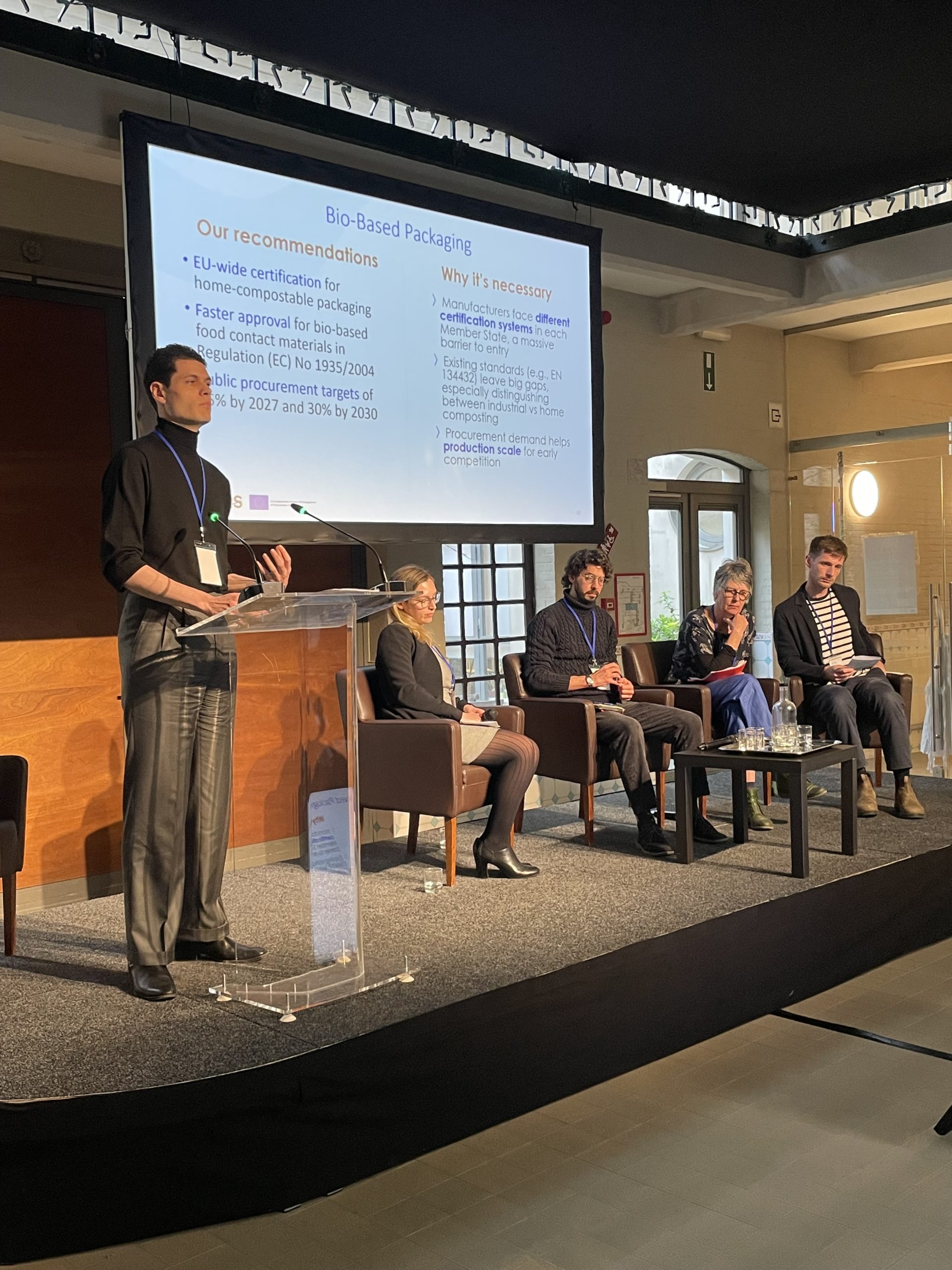
During the event, a panel discussion on logistics and packaging included insights from European Bioplastics, which represents the interests of the bioplastics industry in Europe; Lumina Consulting, an integrated marketing communications and investor relations firm; FEM, a non‑profit representing European manufacturers of materials‑handling, lifting and storage equipment; and AITIIP. The discussion highlighted the progress and remaining barriers for home compostable packaging.
The final session focused on consumer behaviour research from the University of Trento and their dissemination efforts, followed by a policy panel discussion led by SAFE. Panellists from the European Commission; EuroCommerce, which represents the retail and wholesale sector in the EU; ICLEI, a global network of local and regional governments dedicated to sustainable urban development; and Zero Waste Europe, a European network promoting better resource use and the elimination of waste, discussed the importance of innovation, fiscal incentives, and successful waste‑reduction initiatives across the EU. They explored how the Waste Framework Directive (WFD) could become more impactful, how consumer engagement might be strengthened, and which policy priorities should shape the coming years.
Daemon Ortega from SAFE outlined legislative recommendations developed for the project, including the need for the expansion of digital skills training for farmers, or the legal recognition of smart labels as alternatives to “best before” dates.
The SISTERS project developed concrete solutions that can be implemented across the food supply chain to reduce food loss and waste in Europe. The insights and innovations showed at this event offer a strong model for future action.