
EU consumers not eating enough fruits and vegetables
31 May 2024
Fruits and vegetables, known for their high nutrient and fiber content, play an important role in a balanced diet and can mitigate the risk of various diseases, including heart conditions, strokes, and certain cancers.
However, as reported by Food Navigator Europe, despite their recognised health benefits, the intake of fresh fruits and vegetables in most EU countries is consistently below the recommended minimum by the World Health Organization. The reasons for this decrease are varied.
Cost is a significant barrier. The entire supply chain experiences food waste, where consumable products fail to reach consumers, leading to economic loss and inflated prices. This increases the economic divide, as lower-income households find it harder to afford fresh produce.
Convenience foods, such as ready-to-eat meals and pre-made sandwiches, are another factor. These items, often more accessible and budget-friendly, are typically higher in fats, sugars, and salts, making them less healthy.
To address these issues and promote the consumption of fresh produce, several steps can be taken by the food industry and the governments.
To make fresh produce more affordable, the food industry needs to address the significant challenges faced by farmers, such as high production costs and market volatility.
Government schemes currently being trialled, such as imposing a tax on high fat, salt, and sugar (HFSS) products, could potentially reduce the consumption of unhealthy foods and increase the demand for fresh produce.
The food industry could also advocate for the consumption of frozen fruits and vegetables, as they offer a longer lifespan and a cheaper option, while maintaining the same nutritional quality and taste as fresh produce.
.
JRC study delivers nutritional quality of food in Europe’s supermarkets
A new study by the Joint Research Centre (JRC) provides the first large-scale overview of…
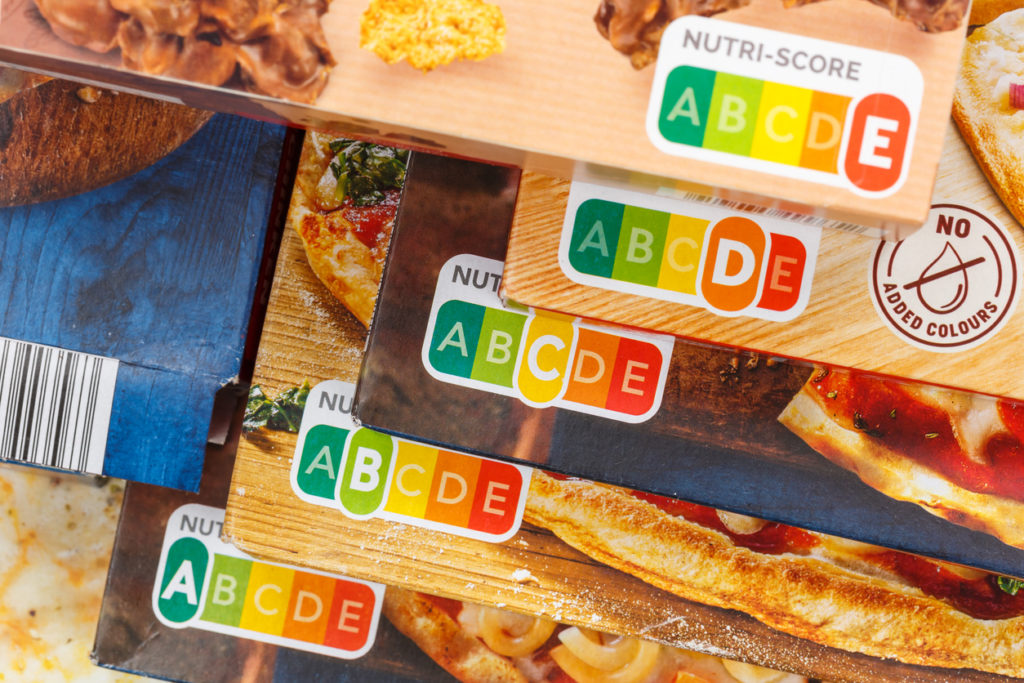
Poland withdraws Nutriscore, deeming it misleading
Nutri Score nutrition label symbol healthy eating for food Nutri-Score Poland’s decided to withdraw the…
Barcelona plans network of affordable shops
Barcelona is preparing a network of shops designed to make fresh food more affordable for…
SAFE warns about labelling uncertainty around allergens in proteins from precision fermentation
Dairy products in the supermarket SAFE has sent a letter to the European Commission’s DG…
SAFE supports Slovakian lawsuit against NGT regulation
Plants in laboratory. SAFE supports the lawsuit by the Slovakian government, announced this morning, against…
UPFs: The Commission has all the elements to implement mitigation measures
The worker in the factory places the chicken schnitzel The health risks associated with the…