
Doctors Raise Alarm Over Widespread Presence of Toxic Metal Cadmium in Food
04 June 2025
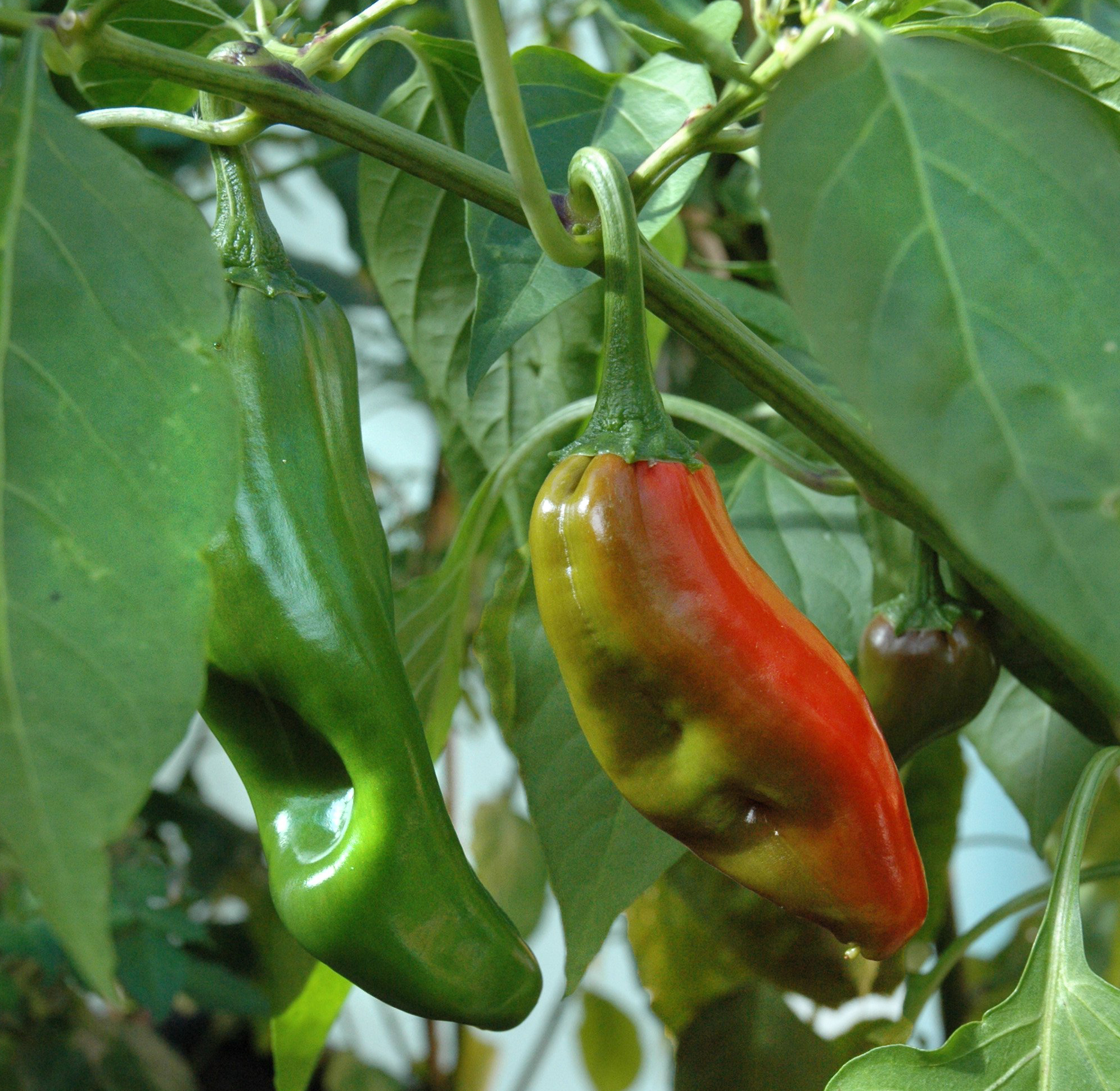
French broadcaster TF1 reports that the Unions of Regional Health Professionals – URPS-Médecins libéraux –, an association of general practitioners, have raised the alarm over cadmium, a toxic and carcinogenic metal found in many everyday foodstuffs. Health professionals are urging swift regulatory action to mitigate this threat.
Cadmium, a naturally occurring contaminant that spreads through industrial and agricultural activity, enters the food chain through plant roots. It accumulates in the human body primarily through diet. Recent investigations have revealed its presence in staple foods such as cereals, bread, pasta, potatoes, and other root vegetables. A broadcast this January on M6’s Zone Interdite programme found cadmium in all 41 types of bread tested.
The French public health agency, Santé Publique France, has linked cadmium to a rise in pancreatic cancer. The national food safety agency, Anses, has also raised warnings since 2019. In 2020, it reported that one in four samples of edible seaweed commonly used in Japanese cuisine contained cadmium levels exceeding the recommended safety levels.
Anses has repeatedly called for cadmium levels in food to be reduced “as low as possible” to prevent overexposure. The agency warns that cadmium is not only carcinogenic but also mutagenic and toxic to reproduction. Long-term exposure can lead to kidney damage, bone fragility, and increased risk of osteoporosis and fractures.
A 2011 dietary study of the French population revealed that 36% of children under three, 15% of children aged three to seven, and 0.6% of adults exceeded the European Food Safety Authority’s tolerable intake level of 0.36 micrograms per kilogram of body weight per day.

Healthy dietary patterns prolong life expectancy, regardless of longevity genes
A study published in Science Advances examined whether five well‑known healthy dietary patterns are associated…

Italian study proves impact of Mediterranean Diet on CVD prevention
A meta-analysis of 1.4 million people published in Science Direct shows consistent protection against cardiovascular…

One in five hazardous mixtures not reported to poison centres
Inspectors working with the European Chemicals Agency (ECHA) in 18 countries carried out a pilot…
EU imposes new toxin threshold following worldwide infant formula recalls
The European Food Safety Authority (EFSA) has introduced a new maximum safe daily intake level…

Infant formula alert exposes gaps in EU food safety oversight
The infant formula alert due to cereulide contamination underscores loopholes in the EU’s food safety…

WHO encourages taxation of sugary drinks
The World Health Organization (WHO) is calling on governments to raise taxes on alcoholic beverages and sugary drinks, to…