Do sweeteners increase appetite?
17 April 2025
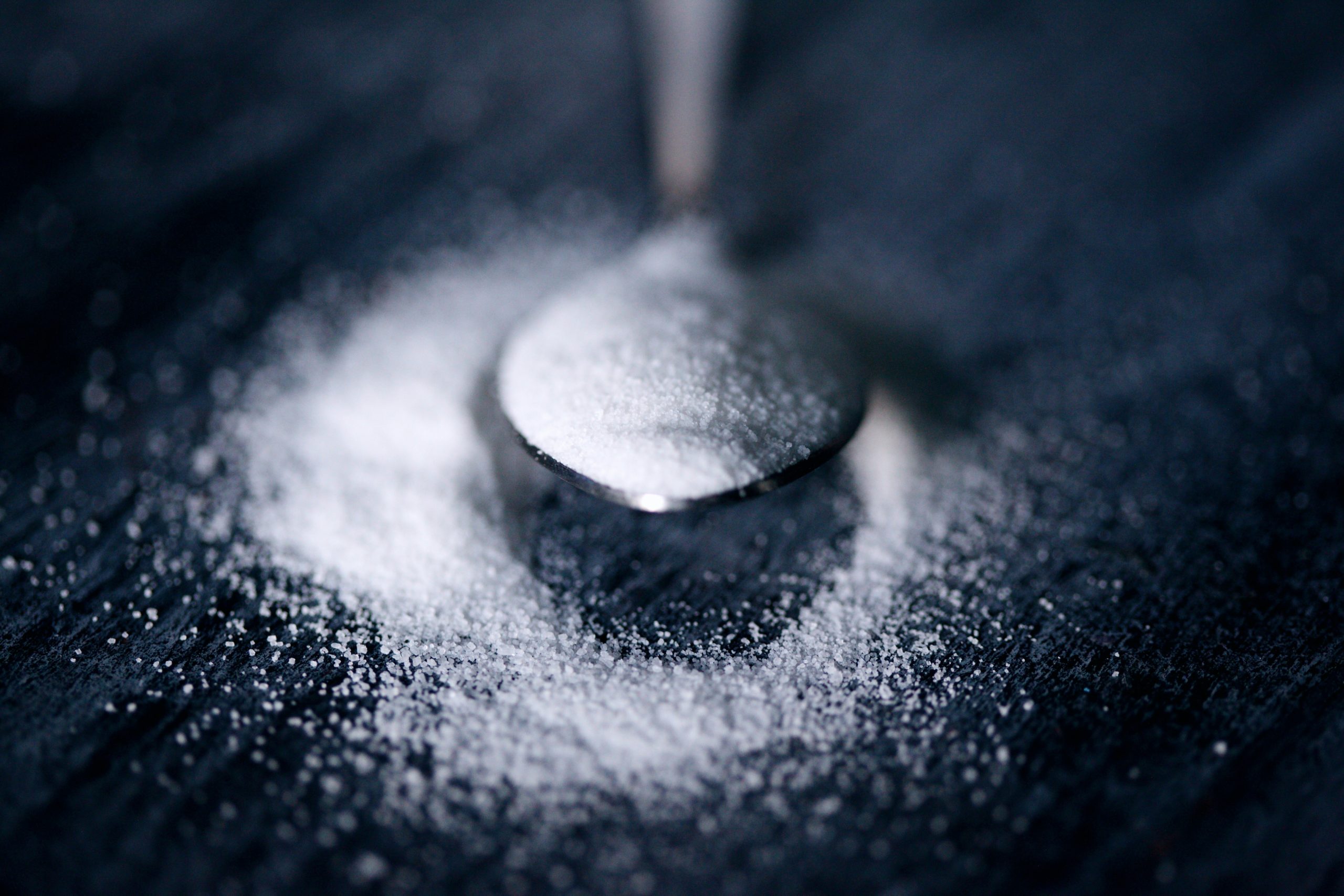
A new study, featured by FoodNavigator Europe and led by the director of the USC Diabetes and Obesity Research Institute, suggests that sucralose—a common artificial sweetener in sweets, soft drinks, sandwich spreads, and breakfast cereals—might trick the brain into feeling hungry. Instead of helping to lose weight by replacing higher-calorie sugar, sucralose could contribute to the obesity pandemic.
The research shows that consuming sucralose increased hunger and activity of the hypothalamus, the part of the brain that regulates appetite and body weight. Participants in the study were given water, a drink sweetened with sucralose, and a drink sweetened with regular sugar. Sucralose did not raise blood levels of hormones like insulin and glucagon-like peptide 1 (GLP-1) that signal fullness.
The World Health Organization (WHO) recommends against using non-sugar sweeteners for weight loss, as studies have not established a connection between their consumption and long-term reduction in body fat for adults or children. Non-sugar sweeteners are not essential dietary components and offer no nutritional value. Instead, the WHO suggests that people reduce their intake of free sugars by opting for foods with naturally occurring sugars, such as fruits.
JRC study delivers nutritional quality of food in Europe’s supermarkets
A new study by the Joint Research Centre (JRC) provides the first large-scale overview of…
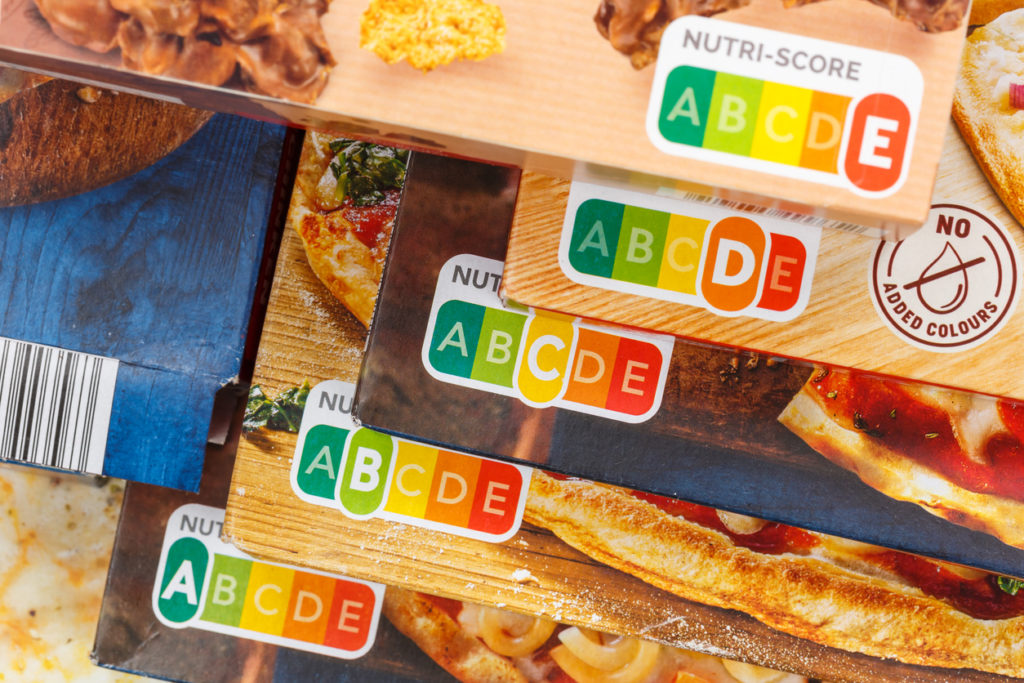
Poland withdraws Nutriscore, deeming it misleading
Nutri Score nutrition label symbol healthy eating for food Nutri-Score Poland’s decided to withdraw the…
Barcelona plans network of affordable shops
Barcelona is preparing a network of shops designed to make fresh food more affordable for…

UPFs: The Commission has all the elements to implement mitigation measures
The worker in the factory places the chicken schnitzel The health risks associated with the…
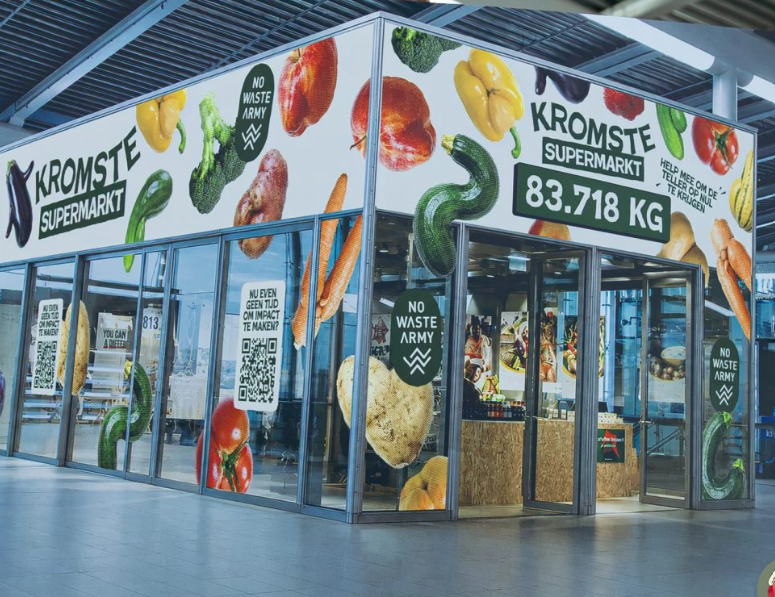
Utrecht is opening a supermarket for “ugly food”
In Utrecht, the Netherlands, from 7 to 13 September, the No Waste Army organisation is…
France becomes first EU country to ban social media access for under-15s
France’s parliament has approved a bill banning social media access for children under 15, making…