

Average human brain contains spoonful of microplastics
10 March 2025
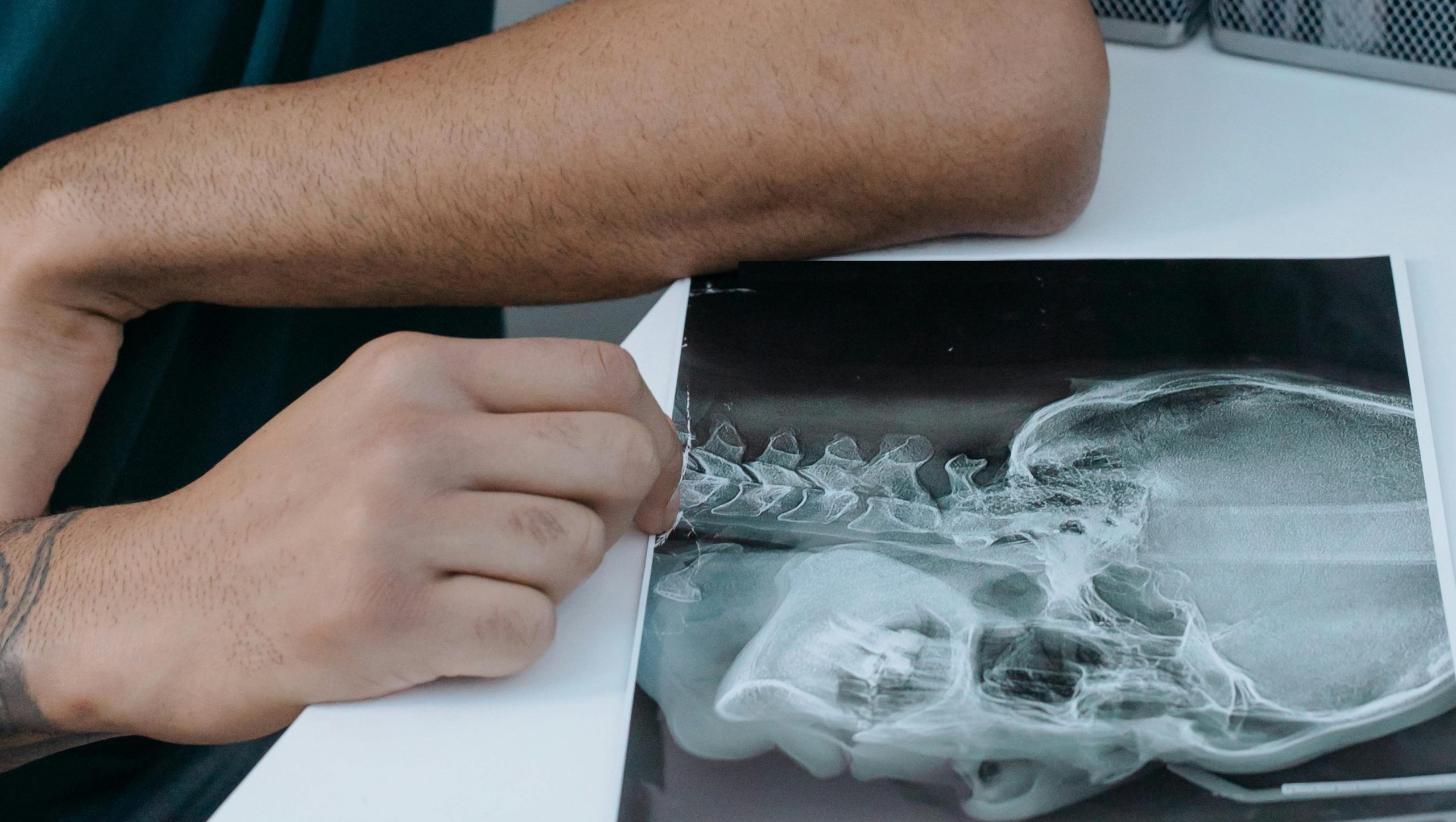
A study from the University of New Mexico published in Nature has found the equivalent of a spoonful of micro- and nanoplastics (MNPs) in human brains from corpses analysed. Brains of corpses with a documented clinical history of dementia, were found to have three to five times higher amounts of MNPs.
The accumulation was bigger in other organs, like levers and kidneys, with polyethylene as the main component detected in the samples.
Two different sets of corpses were studied, with those dead in 2024 presenting higher levels of MNPs than those dead in 2016, suggesting an ongoing increase in environmental exposure.
These results highlight a critical need to better understand the routes of exposure to and uptake.
Still, the study showed no correlation between the amounts of micro- and nanoplastics and age, suggesting the possibility that the body can eliminate at least some amount of MNPs.
Ultra-processed foods linked to poor bone health
Eating more ultra-processed foods may also be bad for your bones, according to a new…

Switzerland debates banning sweets at supermarket checkouts
Switzerland may consider banning sweets at supermarket checkouts after a study by the French-speaking Swiss…

Vegetarians have a substantially lower risk of five types of cancer
Vegetarians have a substantially lower risk of five types of cancer, according to a landmark…
Healthy dietary patterns are linked to a lower risk of cognitive decline
A recent study published in JAMA Neurology reported that healthy dietary patterns are linked to…

Healthy dietary patterns prolong life expectancy, regardless of longevity genes
A study published in Science Advances examined whether five well‑known healthy dietary patterns are associated…

Italian study proves impact of Mediterranean Diet on CVD prevention
A meta-analysis of 1.4 million people published in Science Direct shows consistent protection against cardiovascular…