

A study finds nanoplastics in edible parts of vegetables
23 September 2025
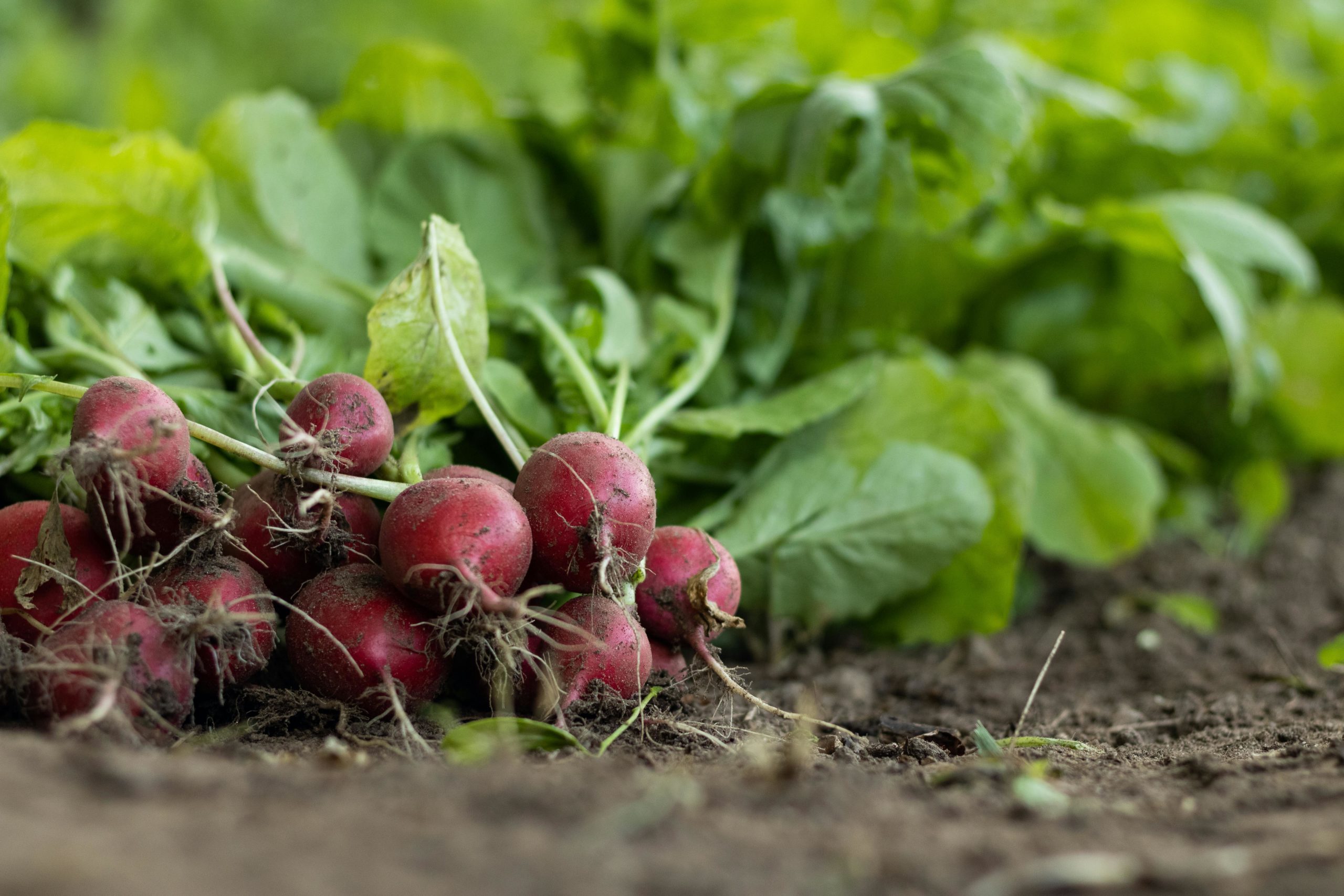
A study has revealed the presence of nanoplastics, plastic particles even smaller than microplastics, in the edible parts of vegetables for the first time. The study demonstrated that these particles can reach areas of plants previously thought to be protected.
The migration of plastics into food, and into the human body, poses serious health risks for consumers. Unlike larger plastic particles, nanoplastics are capable of entering the human bloodstream via the lungs or intestines, potentially reaching organs such as the heart and brain, cells, and even unborn babies during pregnancy.
Plants possess a hydrophobic layer that acts as a barrier, preventing nanoplastics from reaching edible roots and shoots. However, the research shows that polystyrene nanoplastics are able to cross this barrier. This does not necessarily mean that all types of nanoplastics can do the same.
In light of these findings, SAFE reiterates the urgent need to reduce the overproduction of plastics and their accumulation in our environment which is detrimental to human health and biodiversity.
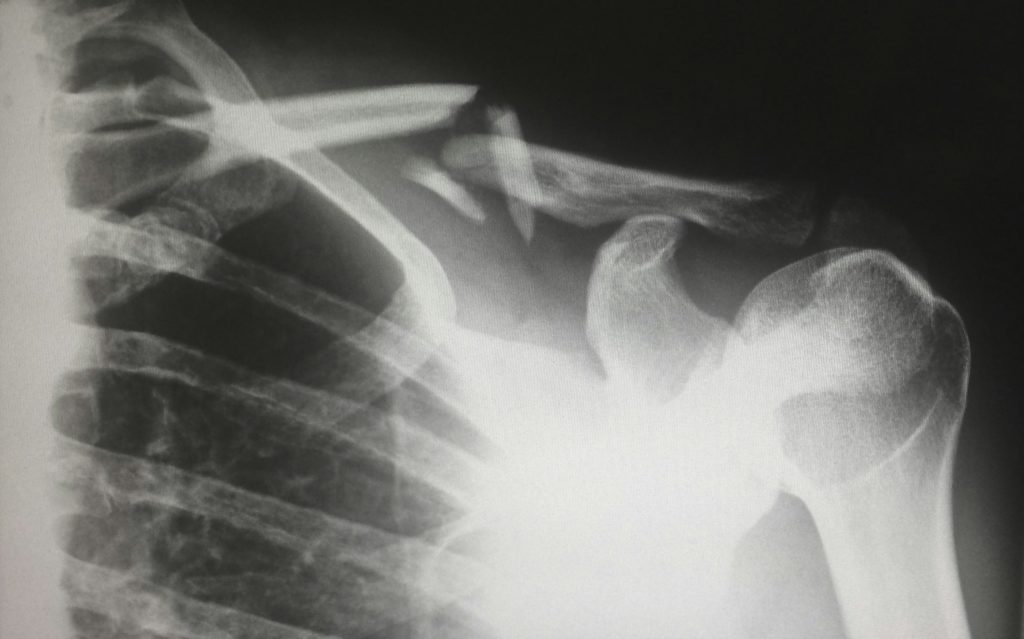
Ultra-processed foods linked to poor bone health
Eating more ultra-processed foods may also be bad for your bones, according to a new…

Switzerland debates banning sweets at supermarket checkouts
Switzerland may consider banning sweets at supermarket checkouts after a study by the French-speaking Swiss…

Vegetarians have a substantially lower risk of five types of cancer
Vegetarians have a substantially lower risk of five types of cancer, according to a landmark…
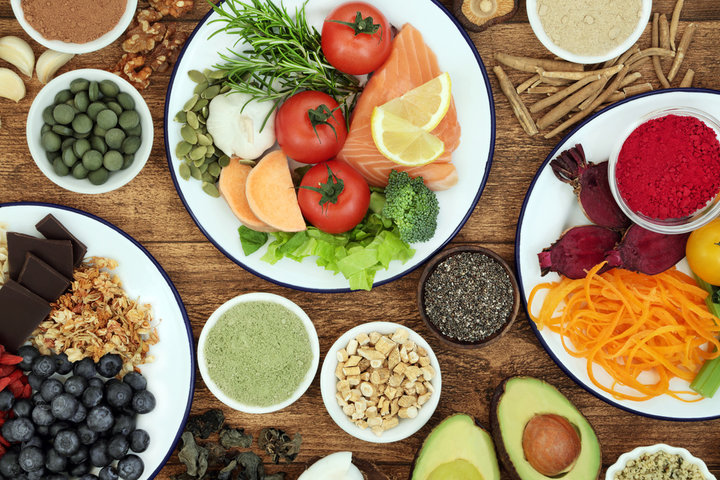
Healthy dietary patterns are linked to a lower risk of cognitive decline
A recent study published in JAMA Neurology reported that healthy dietary patterns are linked to…

Healthy dietary patterns prolong life expectancy, regardless of longevity genes
A study published in Science Advances examined whether five well‑known healthy dietary patterns are associated…

Italian study proves impact of Mediterranean Diet on CVD prevention
A meta-analysis of 1.4 million people published in Science Direct shows consistent protection against cardiovascular…