
3,600 food contact chemicals found in humans
18 September 2024
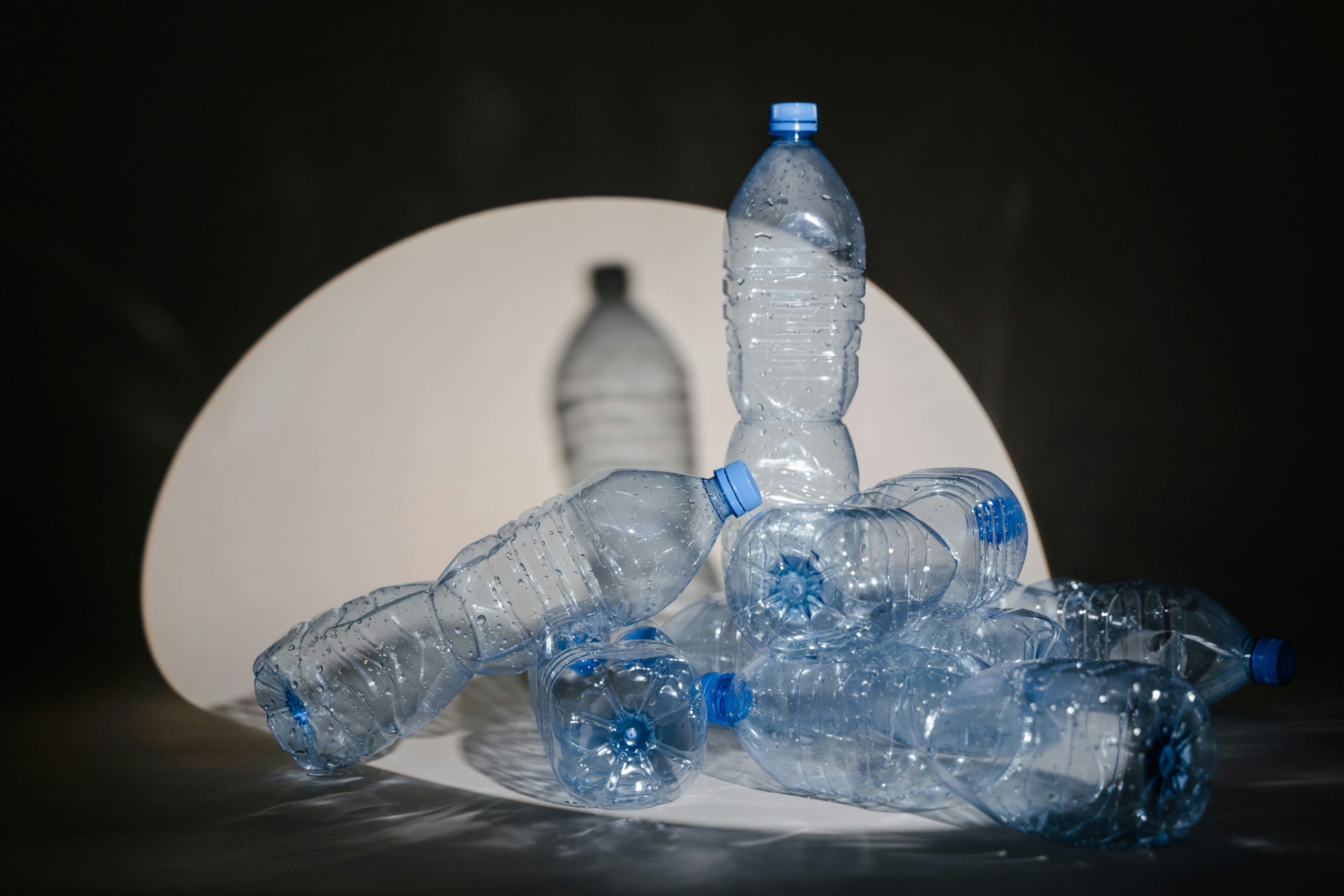
The food we eat travels and is sold wrapped in over 14,400 non-edible chemical substances, present in bottles, cans, plastic foil, paper, and any other packaging. These are known as food contact chemicals (FCCs). A recent study has found that many of them are being absorbed into our bodies with potentially dangerous health effects.
A team based in Switzerland, the US, and the UK screened databases of human samples from people any age, gender, or ethnicity. They found 3,601 food contact chemicals in humans, which amount to 25% of all known FCCs. Furthermore, 194 of these substances are routinely tested for in humans, because they are potentially damaging above certain levels.
Most worryingly, 80 of these substances have hazard properties of high concern.
The results on FCCs monitored in humans have been made available as an interactive dashboard to enable policymakers, public health researchers, and food industry decision-makers to make food contact materials and articles safer, an effort fully in line with SAFE’s mission.
As a member of the R3PACK consortium, working on solutions to reduce, reuse, and rethink packaging, SAFE welcomed the latest proposal from the European Commission in April to strengthen the quality control rules on food contact materials (FCMs) from re-used packaging. However, SAFE expressed concerns over lack of control mechanisms and independent data.
R3PACK is funded by the European Union’s Horizon Europe Research and Innovation Programme.
Follow SAFE on social media

Healthy dietary patterns prolong life expectancy, regardless of longevity genes
A study published in Science Advances examined whether five well‑known healthy dietary patterns are associated…

Italian study proves impact of Mediterranean Diet on CVD prevention
A meta-analysis of 1.4 million people published in Science Direct shows consistent protection against cardiovascular…

One in five hazardous mixtures not reported to poison centres
Inspectors working with the European Chemicals Agency (ECHA) in 18 countries carried out a pilot…
EU imposes new toxin threshold following worldwide infant formula recalls
The European Food Safety Authority (EFSA) has introduced a new maximum safe daily intake level…

Infant formula alert exposes gaps in EU food safety oversight
The infant formula alert due to cereulide contamination underscores loopholes in the EU’s food safety…
WHO encourages taxation of sugary drinks
The World Health Organization (WHO) is calling on governments to raise taxes on alcoholic beverages and sugary drinks, to…