
The obesity rate has gone beyond the significant threshold of one billion people
07 March 2024
On 4th March was the World Obesity Day which calls for a cohesive, cross-sector response to the obesity crisis.
Few days before, JustFood reported that more than one billion people are now considered obese globally, including 879 million adults and 159 million children, according to a new study published by the World Health Organization (WHO) and other researchers. The data shows that obesity has doubled since 1990 among adults and quadrupled among children and adolescents. Thus, the World obesity day of this year is even more critical.
The study shows the importance of preventing and tackling obesity from an early age. The causes and the interventions needed to contain obesity are well known and understood. Preventing obesity can be done through diet, physical activity and by ensuring that health systems integrate the prevention “into the basic package services”, said Dr Francesco Branca, director of WHO’s nutrition and food safety department and one of the co-authors of the study.
Private sectors need to cooperate with governments to curb obesity since they must be accountable for the health impacts of their products. On February 29th, the British Medical Journal released a study that showed that Ultra Processed Food (UPFs) was linked with 32 adverse human health outcomes, including a greater risk of becoming overweight and obese, along with type 2 diabetes.
Another study, from the Food and Agriculture Organization of the United Nations (FAO) found that global agrifood systems also produce “hidden costs” of at least $10trn a year, resulting in “labour productivity losses” mostly due to unhealthy diets and the development of obesity and chronic diseases.
Since its inception, SAFE has been committed to prevent obesity and raise awareness of healthy lifestyles. In particular with children trainings on nutrition and advocating for the recognition of obesity as a disease.
Furthemore, SAFE is working on specific projects such as the EU4Health project Preventia which aims at preventing non-communicable diseases, including obesity. SAFE is also working on the Erasmus+ Project Nutrimodule to mainstream nutrition in medical school courses.
SAFE was selected to evaluate the EU Action Plan on Childhood Obesity by the European Commission.

SAFE releases a report in partnership with Healthy Food Healthy Planet on regulating HFSS marketing to children
SAFE updated its report on high-fat, sugar, and salt (HFSS) Food Marketing targeting children, in…

Un estudio revela que consumir más alimentos ultraprocesados está relacionado con una peor salud ósea
InfobaeClick here to read the article (in Spanish).Read More
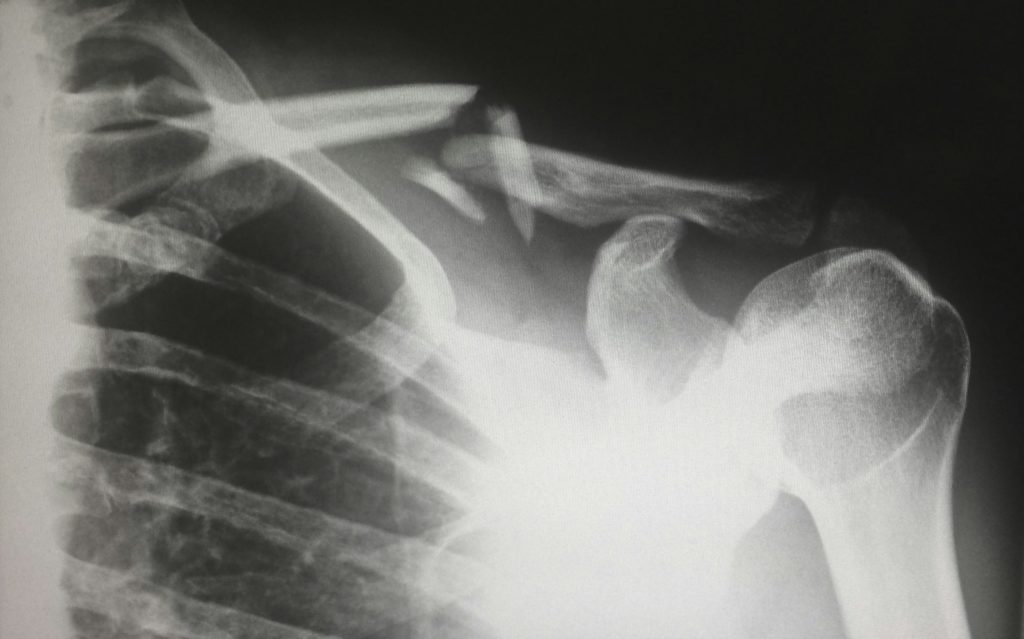
Ultra-processed foods linked to poor bone health
Eating more ultra-processed foods may also be bad for your bones, according to a new…

Joint statement: Call on the European Commission to mandate Extended Producer Responsibility for Food Products
SAFE with a coalition of businesses, cities, waste managers and other civil society organisations signed…

Switzerland debates banning sweets at supermarket checkouts
Switzerland may consider banning sweets at supermarket checkouts after a study by the French-speaking Swiss…

Un gran estudio revela qué cánceres tienen menos riesgo los vegetarianos… y cuál aumenta
InfosalusClick here to read the original article (in Spanish).Read More