

The hidden costs of food account for 10% of global GDP, FAO says
06 November 2023
Hidden costs of food systems are at least USD 10 trillion, and account for a 10 percent of the global GDP, the Food and Agriculture Organization of the United Nations (FAO) reveals in its latest “The state of food and agriculture” report. Unhealthy diets represent 70% of overall hidden costs in our agrifood systems. Unhealthy diets lead to obesity and non-communicable diseases. These costs are felt most in high- and upper-middle-income countries.
Agrifood systems provide food, maintain economies and establish cultural narratives. Nevertheless, their negative impacts due to unsustainable activities and practices are contributing to climate change, natural resource degradation and the unaffordability of healthy diets. To demonstrate that, FAO has evaluated 154 different countries.
The main hidden costs provide from eating habits that lead to illness – specially in high and middle-income countries – and lower work productivity. On the other hand, there are also environmental stranded costs, which represent the 20 percent of the total hidden costs. These costs, the report notes, are unequally distributed as they are mainly assumed by low-income countries.
FAO reminds that a holistic assessment of agrifood systems into the process of decision-making is critical to achieving many, if not all, of the Sustainable Development Goals (SDGs). And explains that the findings of its report highlight the need to factor hidden costs into decision-making for the transformation of agrifood systems. Innovations in research and data, alongside investments in data collection and capacity building, are needed to scale the application of true cost accounting.

SAFE calls for stricter rules on UPFs at industry-led conference
SAFE’s Deputy Director, Luigi Tozzi, called for strong measures to protect consumers against the negative…
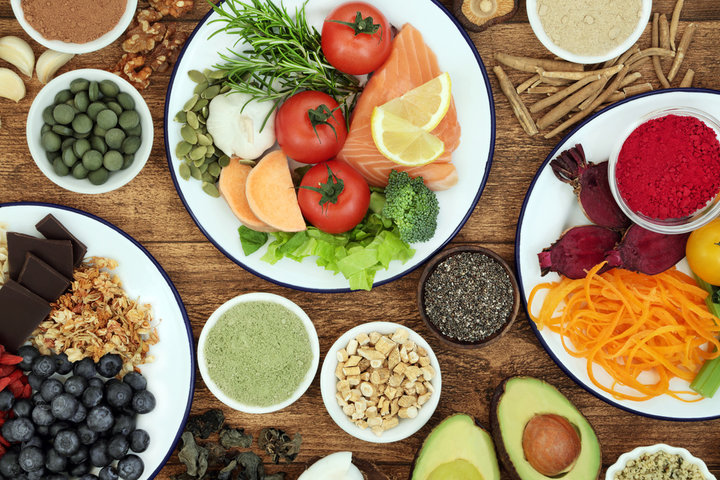
Healthy dietary patterns are linked to a lower risk of cognitive decline
A recent study published in JAMA Neurology reported that healthy dietary patterns are linked to…

Healthy dietary patterns prolong life expectancy, regardless of longevity genes
A study published in Science Advances examined whether five well‑known healthy dietary patterns are associated…
Consumers about losing the battle for GMO-free organic food, SAFE warns
GMO-free EuropeClick here to find the press release and other press releases and news about…
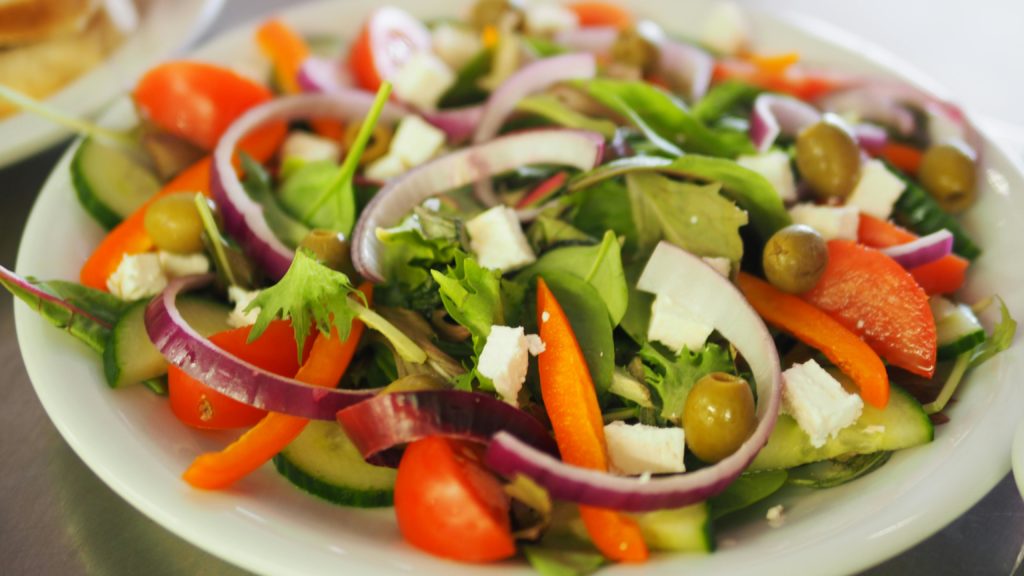
Italian study proves impact of Mediterranean Diet on CVD prevention
A meta-analysis of 1.4 million people published in Science Direct shows consistent protection against cardiovascular…
EU consumers could lose the battle for GMO-free organic food, SAFE warns
GM WatchClick here to read the article.Read More