
The European Parliament approved the Nature Restoration Law
27 February 2024
With the introduction of a novel Nature Restoration Law, Europe is making a major advancement in its dedication to climate resilience and environmental preservation. The European Commission is leading this historic legislation that attempts to address the worrying loss of ecosystems throughout the continent and lessen the effects of climate change.
The fundamental goal of the EU’s Nature Restoration Law is to rebuild and revitalise species, habitats, and ecosystems throughout its land and maritime borders. With more than 80% of habitats presently categorised as being in poor health, immediate action is required to halt this trend and promote biodiversity recovery.
The ambitious objectives for recovering wetlands, forests, urban green areas, and marine habitats are outlined in the proposed Nature Restoration Law. With the objective of including all ecosystems by 2050, restoration initiatives are expected to encompass a minimum of 20% of the land and sea regions within the European Union by 2030. Protecting pollinators, fostering biodiversity in forests, growing urban green spaces, and rehabilitating marine habitats—which are essential for climate resilience—are some of the main goals. EU member states must actively participate in the implementation process by creating and submitting National Restoration Plans within a two-year timeframe. Accountability will be ensured through monitoring and reporting systems. The advantages of conservation initiatives are demonstrated by the success stories of nature restoration projects around Europe, highlighting the significance of environmental stewardship and resilience-building in the face of climate change

SAFE releases a report in partnership with Healthy Food Healthy Planet on regulating HFSS marketing to children
SAFE updated its report on high-fat, sugar, and salt (HFSS) Food Marketing targeting children, in…

Un estudio revela que consumir más alimentos ultraprocesados está relacionado con una peor salud ósea
InfobaeClick here to read the article (in Spanish).Read More
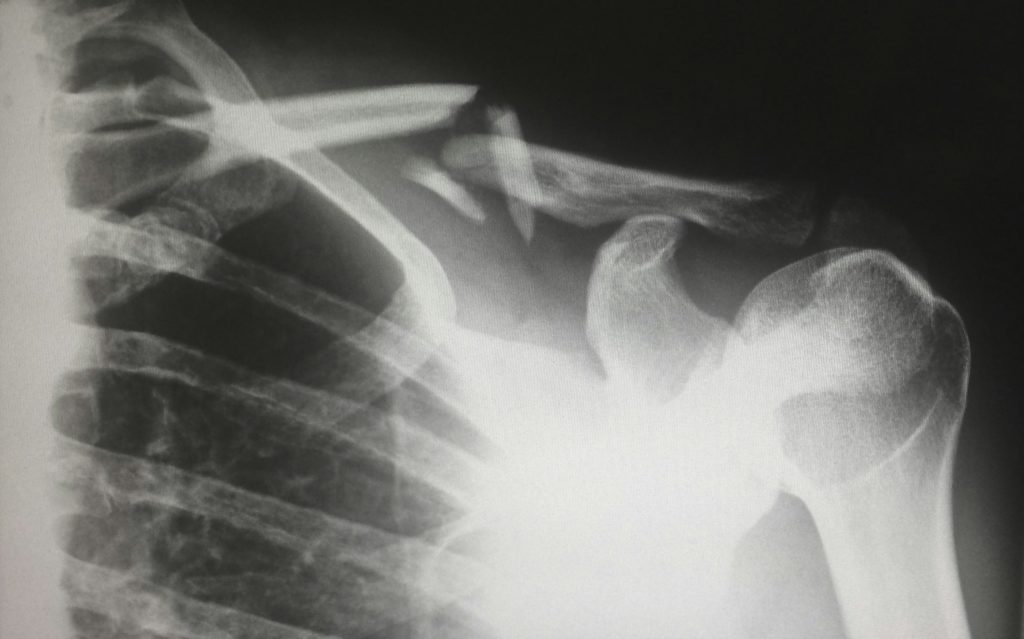
Ultra-processed foods linked to poor bone health
Eating more ultra-processed foods may also be bad for your bones, according to a new…
Joint statement: Call on the European Commission to mandate Extended Producer Responsibility for Food Products
SAFE with a coalition of businesses, cities, waste managers and other civil society organisations signed…
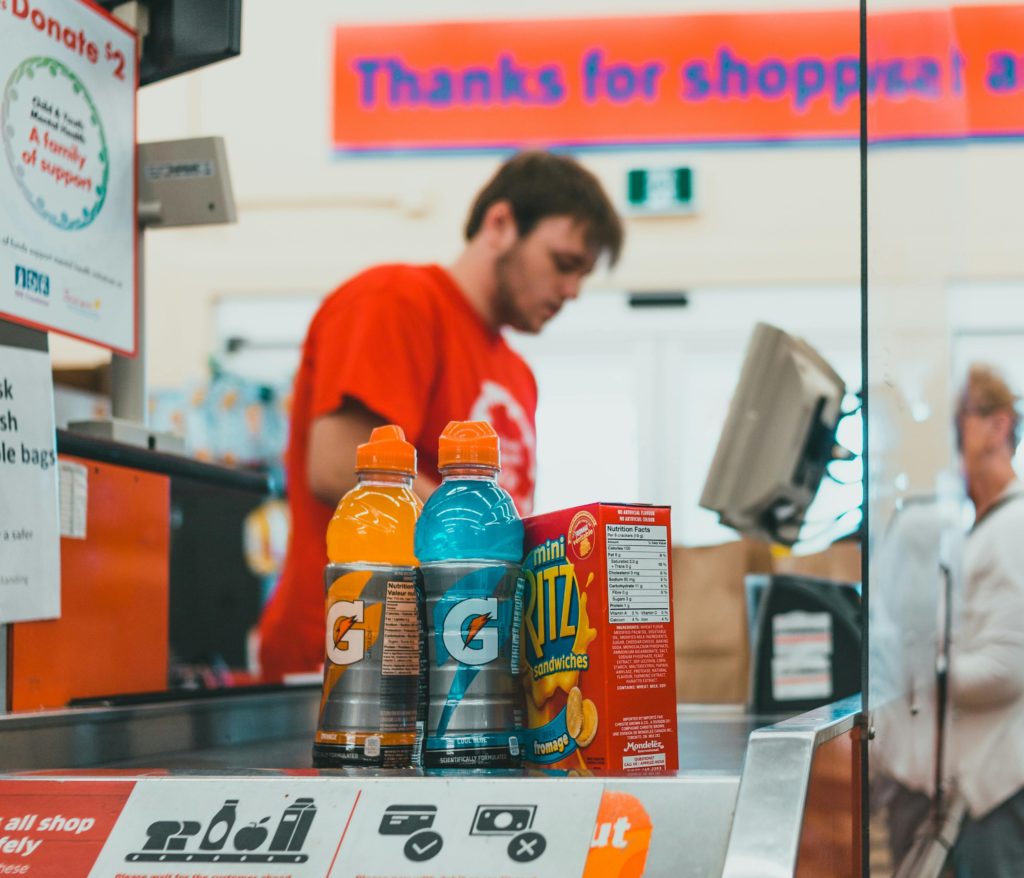
Switzerland debates banning sweets at supermarket checkouts
Switzerland may consider banning sweets at supermarket checkouts after a study by the French-speaking Swiss…

Un gran estudio revela qué cánceres tienen menos riesgo los vegetarianos… y cuál aumenta
InfosalusClick here to read the original article (in Spanish).Read More