

Research links food insecurity in early life and pregnancy to higher rates of child obesity
30 September 2024
As reported by Nutrition Insight, a new research funded by the National Institutes of Health’s ECHO program shows that food insecurity during early childhood or pregnancy increases the likelihood of obesity or severe obesity in children and adolescents by 50%.
The study found that living in low-income, low-food-access areas during pregnancy is associated with higher child BMI scores and increased rates of obesity and severe obesity at ages 5, 10, and 15.
Several mechanisms may explain these findings. Low-income, low-food-access neighborhoods often have more convenience stores and fast-food outlets, leading to increased consumption of highly processed foods. This can change the diet quality of pregnant mothers and children, contributing to child obesity.
Additionally, residents of these neighborhoods may experience higher stress levels due to financial and emotional pressures, poor housing, or neighborhood crime, which can lead to weight gain. Poor built environment characteristics in these neighborhoods may also discourage physical activity and can expose children to harmful environmental factors, affecting their health.

JRC study delivers nutritional quality of food in Europe’s supermarkets
A new study by the Joint Research Centre (JRC) provides the first large-scale overview of…
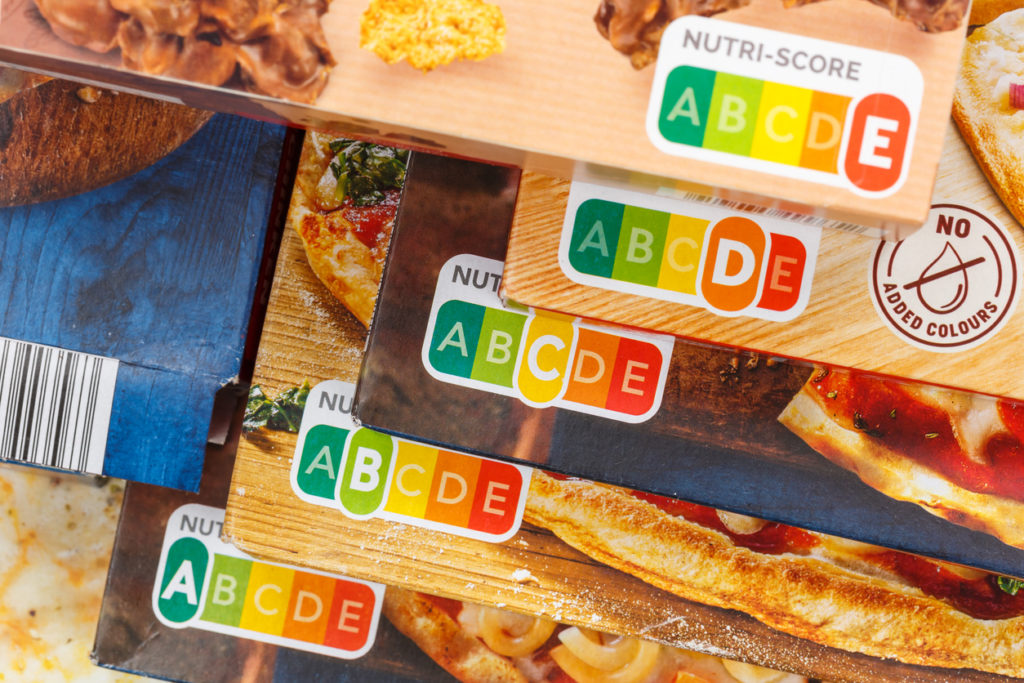
Poland withdraws Nutriscore, deeming it misleading
Nutri Score nutrition label symbol healthy eating for food Nutri-Score Poland’s decided to withdraw the…
Barcelona plans network of affordable shops
Barcelona is preparing a network of shops designed to make fresh food more affordable for…
SAFE warns about labelling uncertainty around allergens in proteins from precision fermentation
Dairy products in the supermarket SAFE has sent a letter to the European Commission’s DG…

SAFE supports Slovakian lawsuit against NGT regulation
Plants in laboratory. SAFE supports the lawsuit by the Slovakian government, announced this morning, against…
UPFs: The Commission has all the elements to implement mitigation measures
The worker in the factory places the chicken schnitzel The health risks associated with the…