
Not banning ‘forever chemicals’ in the EU will cost €2 trillion over the next 20 years
14 January 2025

A total of €2 trillion, or an annual bill of €100 billion over two decades, is the cost of cleaning PFAS or “forever chemicals” from the environment, if they keep being produced and disposed of at the current rate. That is the economic cost of not banning PFAS in the EU, according to journalists and investigators working for the Forever Pollution Project.
PFAS or “forever chemicals” are a family of over 10,000 man-made chemicals present in products like food packaging, clothing, cleaning products or cookware. They are extremely hard to destroy and can persist in living organisms, including human bodies. They are highly dangerous in very small doses.
The Forever Pollution Project highlights the need for an EU-wide ban, an attempt that failed in the last European mandate, after five European countries had proposed a universal restriction of PFAS under the EU chemical regulation REACH, with some derogations until alternatives were developed. SAFE strongly supports a ban of PFAS in the EU, to protect citizen’s health and the environment. As a member of the R3PACK project, SAFE is actively working to ban PFAS from food packaging, pushing for revisions of the Food Contact Material Regulation and of the Packaging Waste Directive.
In September 2024, the European Commission banned one kind of PFAS, known as PFHxA, but not from all products.
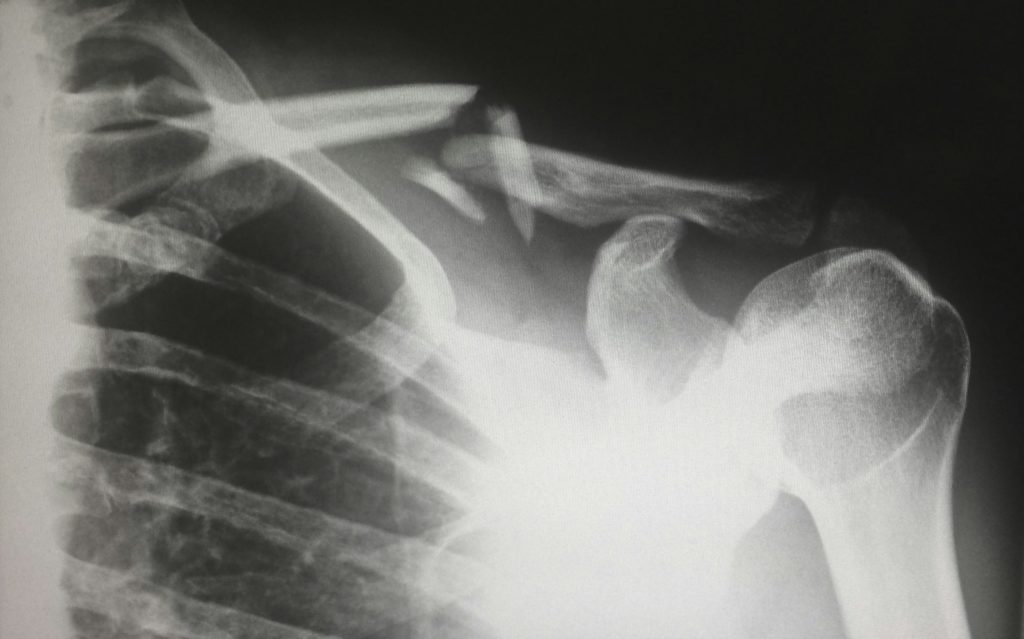
Ultra-processed foods linked to poor bone health
Eating more ultra-processed foods may also be bad for your bones, according to a new…

Switzerland debates banning sweets at supermarket checkouts
Switzerland may consider banning sweets at supermarket checkouts after a study by the French-speaking Swiss…

Vegetarians have a substantially lower risk of five types of cancer
Vegetarians have a substantially lower risk of five types of cancer, according to a landmark…
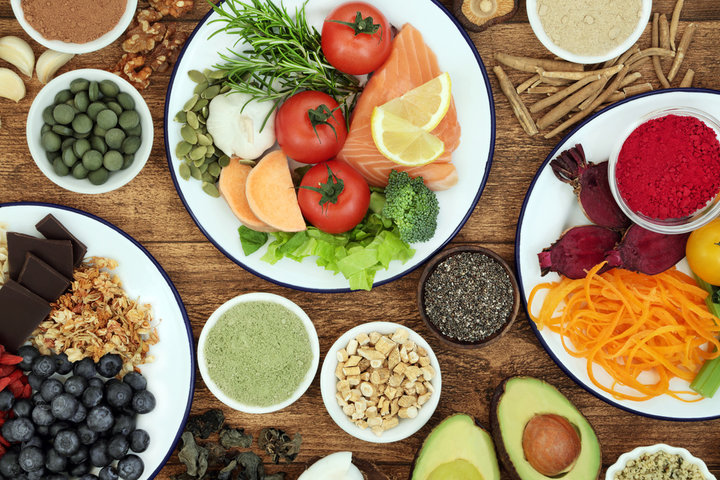
Healthy dietary patterns are linked to a lower risk of cognitive decline
A recent study published in JAMA Neurology reported that healthy dietary patterns are linked to…

Healthy dietary patterns prolong life expectancy, regardless of longevity genes
A study published in Science Advances examined whether five well‑known healthy dietary patterns are associated…

Italian study proves impact of Mediterranean Diet on CVD prevention
A meta-analysis of 1.4 million people published in Science Direct shows consistent protection against cardiovascular…