
NGTs, MEPs vote in favour of mandatory labelling
08 February 2024
The European Parliament adopted its position on New Genomic Techniques (NGTs), voting in favour of mandatory labelling. A development welcomed by SAFE, which believes that the regulations for these gene-edited crops should always prioritise transparency and safety for consumers’ health. Additionally, the information would be mandatory on the whole food value chain, therefore ensuring traceability.
The plenary approved the text with 307 votes in favor, 263 against, and 41 abstentions, with a cross-party majority endorsing the proposal to establish a new framework for New Genomic Techniques (NGTs), which currently fall under the more restrictive regulations for genetically modified organisms (GMOs). MEPs from the center-right European People’s Party (EPP) and the liberal Renew group overwhelmingly supported the text, while the Greens and the Left almost unanimously opposed it.
Lawmakers agreed on the Commission’s proposal to categorize NGTs into two groups: gene-edited plants that are “indistinguishable” from conventionally bred ones (NGT1), exempt from GMO legislation requirements, and those with more “complex modifications” (NGT2), subject to stricter regulations. However, MEPs insisted on mandatory labeling for all products derived from NGT plants, contrary to the Commission’s proposal, which limited labeling to NGT1 plant seeds.
Besides, MEPs voted to exclude all NGTs from organic production “as their compatibility requires further consideration.” Another aspect on which SAFE agrees. While the Commission left the patent question unresolved, MEPs opted for a full ban on patents for NGTs to prevent legal uncertainties, increased costs, and dependencies for farmers and breeders.
A contentious point, according to SAFE, regards the authorisation process and the risk assessment. The position adopted by the Parliament softens the risk assessment for the authorisation of both NGT1 and NGT2, a factor that SAFE considers dangerous. There are no studies on the safety of these gene-edited crops, and a rigorous risk assessment should be maintained to ensure consumers’ health.
The ball is now in the EU Council’s court. Shortly after the European Parliament’s vote, EU member states attempted but failed to reach a consensus, particularly on the patentability of NGTs.

SAFE releases a report in partnership with Healthy Food Healthy Planet on regulating HFSS marketing to children
SAFE updated its report on high-fat, sugar, and salt (HFSS) Food Marketing targeting children, in…

Un estudio revela que consumir más alimentos ultraprocesados está relacionado con una peor salud ósea
InfobaeClick here to read the article (in Spanish).Read More
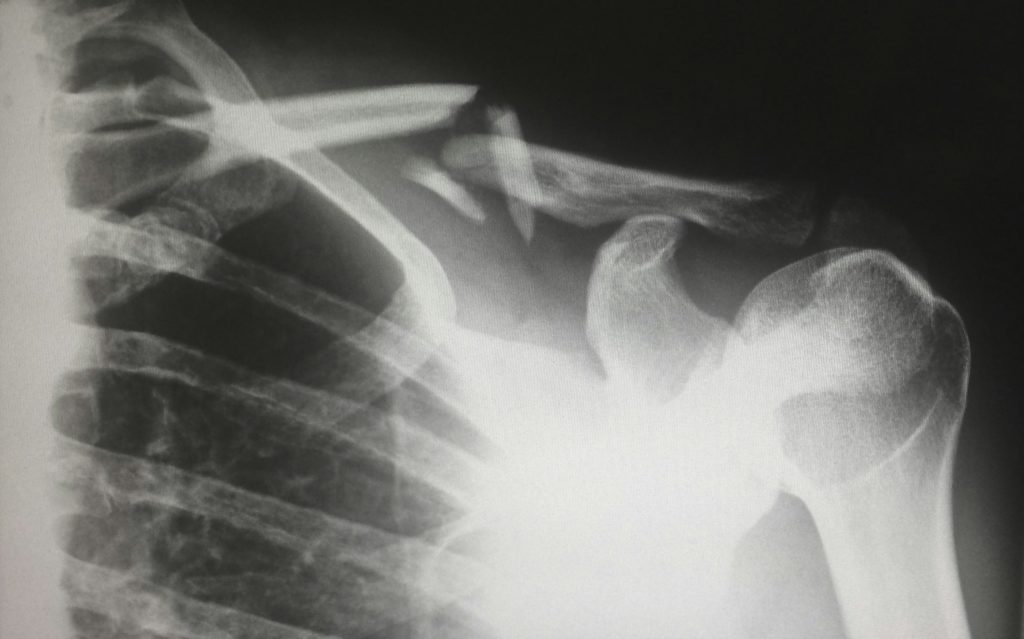
Ultra-processed foods linked to poor bone health
Eating more ultra-processed foods may also be bad for your bones, according to a new…
Joint statement: Call on the European Commission to mandate Extended Producer Responsibility for Food Products
SAFE with a coalition of businesses, cities, waste managers and other civil society organisations signed…
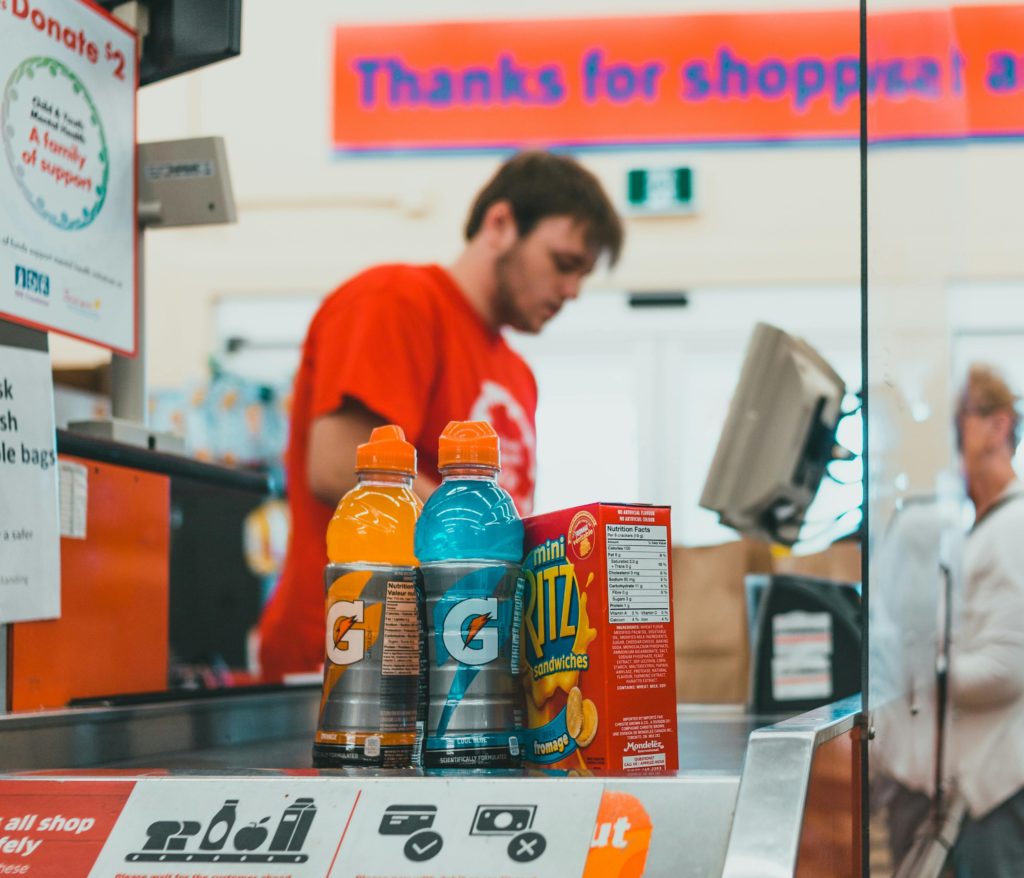
Switzerland debates banning sweets at supermarket checkouts
Switzerland may consider banning sweets at supermarket checkouts after a study by the French-speaking Swiss…

Un gran estudio revela qué cánceres tienen menos riesgo los vegetarianos… y cuál aumenta
InfosalusClick here to read the original article (in Spanish).Read More