
Making cardiovascular health a European health priority will save millions of lives
05 July 2024
Share this article
According to Euractiv, Cardiovascular diseases (CVD) account for 37% of all deaths in Europe, causing around 1.7 million deaths annually, with significant geographic and gender disparities. In low-risk regions, CVD mortality can be as low as 26%, while in high-risk regions, it can rise to 60%. CVD accounts for 40% of female mortality and 34% of male mortality, potentially due to increased exposure to risk factors like stress, obesity, and smoking among women.
CVDs place a substantial burden on public health systems in European countries. A 2021 study by Oxford University found that CVDs cost the EU €282 billion, which is €100 billion more than the entire EU budget.
The new Hungarian Presidency of the Council of the European Union has committed to tackling CVD, with Hungary being a high-risk area. They will host a high-level conference in Budapest in collaboration with the European Society of Cardiology (ESC).
They aim to promote the use of advanced technologies like telemedicine and personalised medicine to enhance health outcomes. The European Health Data Space can facilitate data sharing, help healthcare professionals monitor patient medication adherence, and support researchers in conducting cost-effective randomised trials.
Professor Franz Weidinger, the president of ESC says that cardiovascular (CV) innovation is underfunded. He argues for more public funding for research, and to harmonise and unify CV registries across the EU. SAFE is coordinating the EU4Health-funded project Preventia aiming at preventing NCDs, Non-Communicable Diseases such as diabetes, obesity and cardiovascular diseases through the improvement of nutrition and health behaviours of patients.
Nutrition has indeed an undeniable dominant effect on human beings’ health, wellbeing, and social dynamics. Preventia promotes health literacy and foster the prevention of Non-Communicable Diseases by enhancing education, eliminating stigmas associated with these diseases and boosting lifestyle improvements.
Follow SAFE on social media
.

SAFE releases a report in partnership with Healthy Food Healthy Planet on regulating HFSS marketing to children
SAFE updated its report on high-fat, sugar, and salt (HFSS) Food Marketing targeting children, in…

Un estudio revela que consumir más alimentos ultraprocesados está relacionado con una peor salud ósea
InfobaeClick here to read the article (in Spanish).Read More
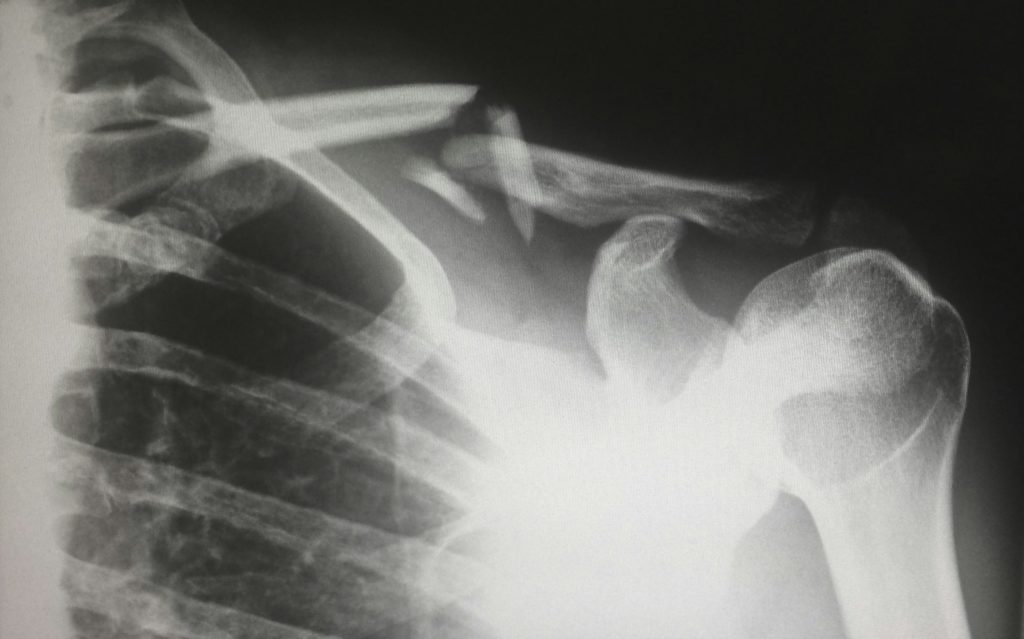
Ultra-processed foods linked to poor bone health
Eating more ultra-processed foods may also be bad for your bones, according to a new…
Joint statement: Call on the European Commission to mandate Extended Producer Responsibility for Food Products
SAFE with a coalition of businesses, cities, waste managers and other civil society organisations signed…
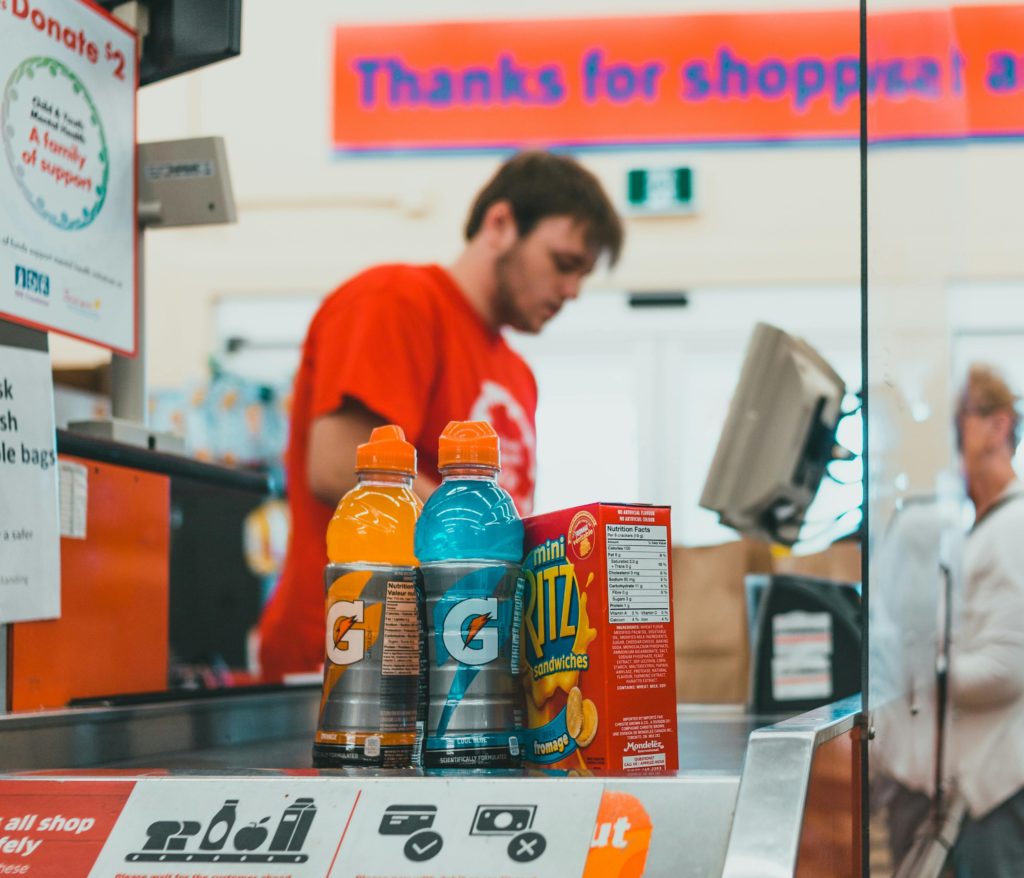
Switzerland debates banning sweets at supermarket checkouts
Switzerland may consider banning sweets at supermarket checkouts after a study by the French-speaking Swiss…
Un gran estudio revela qué cánceres tienen menos riesgo los vegetarianos… y cuál aumenta
InfosalusClick here to read the original article (in Spanish).Read More