

Independent scientists criticise a campaign aimed at undermining PFAS regulation
12 June 2025

RTBF reported that a campaign is ongoing to alter the definition of PFAS (per- and polyfluoroalkyl substances)—a group of highly persistent and mobile chemicals known for their stain-resistant, non-stick, waterproof, and heat- and corrosion-resistant properties. These substances do not degrade naturally in the environment, raising serious concerns among scientists.
On 10 June 2025, a group of 20 internationally recognised PFAS researchers, including Martin Scheringer, published an open letter in Environmental Science and Technology, warning that redefining PFAS could undermine regulatory efforts. These substances tend to accumulate in living organisms and are linked to hormonal disruption, cancer, and immune system damage.
The European Union is currently reviewing a proposal for a “universal restriction” (uPFAS) on thousands of PFAS, based on the OECD’s 2021 definition. This definition identifies over 10,000 PFAS as any chemical containing at least one carbon atom bonded to two or three fluorine atoms—a structure that makes them nearly indestructible without human intervention.
However, the International Union of Pure and Applied Chemistry (IUPAC) launched a working group in June 2024 to revisit PFAS terminology and classification. Critics, including the 20 scientists, argue that this initiative—driven in part by individuals with ties to the PFAS industry—could weaken the OECD’s definition by promoting a case-by-case risk assessment approach. This could exclude certain compounds, such as fluoropolymers (e.g., Teflon) and fluorinated gases, from regulation. These compounds are one of the most persistent and toxic PFAS.
Martin Scheringer concludes that PFAS pollution poses a major societal challenge. He stresses that scientific integrity must not be compromised by political or economic interests.
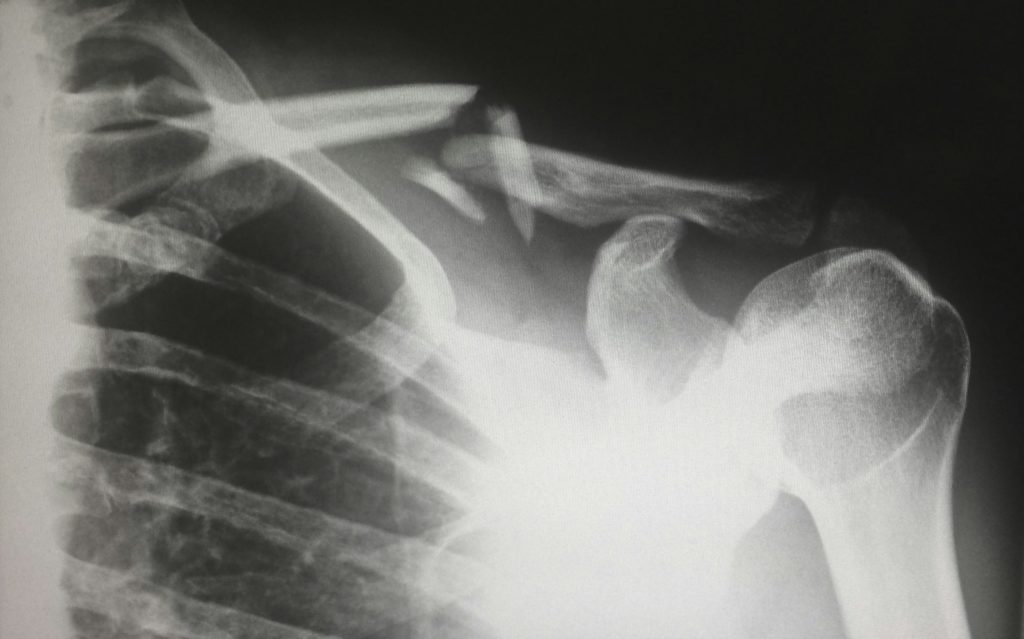
Ultra-processed foods linked to poor bone health
Eating more ultra-processed foods may also be bad for your bones, according to a new…

Switzerland debates banning sweets at supermarket checkouts
Switzerland may consider banning sweets at supermarket checkouts after a study by the French-speaking Swiss…

Vegetarians have a substantially lower risk of five types of cancer
Vegetarians have a substantially lower risk of five types of cancer, according to a landmark…
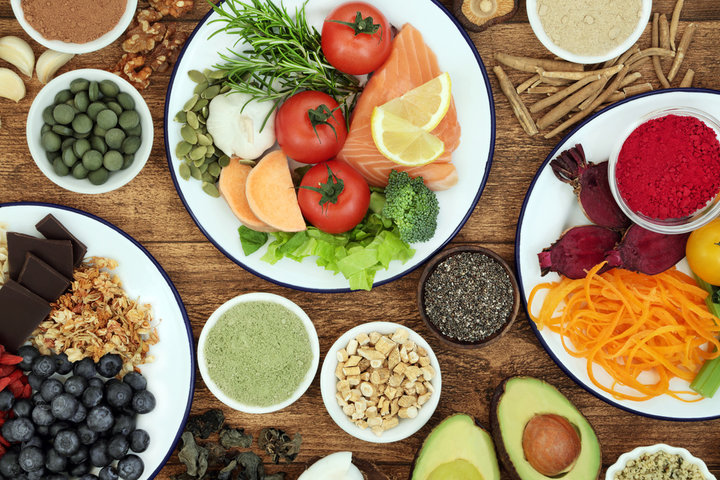
Healthy dietary patterns are linked to a lower risk of cognitive decline
A recent study published in JAMA Neurology reported that healthy dietary patterns are linked to…

Healthy dietary patterns prolong life expectancy, regardless of longevity genes
A study published in Science Advances examined whether five well‑known healthy dietary patterns are associated…
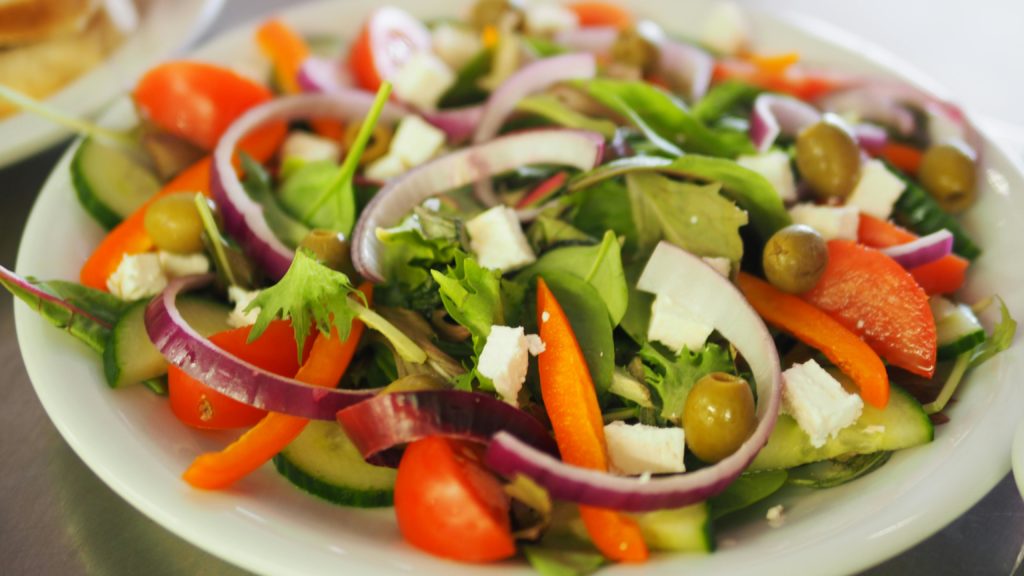
Italian study proves impact of Mediterranean Diet on CVD prevention
A meta-analysis of 1.4 million people published in Science Direct shows consistent protection against cardiovascular…