
Food contaminated with inorganic arsenic: health risks confirmed
25 January 2024
The European Food Safety Authority’s (EFSA) recent risk assessment on inorganic arsenic in food reaffirms the findings of a previous study from 2009, confirming health risks associated with consumer exposure to inorganic arsenic in food. The EFSA updated its assessment to include new studies on the toxic effects of inorganic arsenic, following a request from the European Commission. Stakeholder feedback was considered in the final opinion.
Inorganic arsenic, a contaminant found both naturally and through human activities, is the focus of this assessment. The main sources of inorganic arsenic exposure for the European population are through food, particularly rice, rice-based products, and grains and grain-based products, with drinking water being a lesser source. This exposure places food security at risk.
Long-term intake of inorganic arsenic is linked to various health issues, including certain cancers. The EFSA’s assessment particularly noted the increased risk of skin cancer. The methodology used by EFSA involves calculating a margin of exposure (MOE) for genotoxic and carcinogenic substances found in food. This MOE is a ratio that compares the dose at which adverse effects are noticed with the level of consumer exposure. A lower MOE indicates a higher risk. For inorganic arsenic, the MOEs for adults are low, particularly for high consumers, indicating a significant health concern.
Furthermore, EFSA is conducting risk assessments on the exposure to organic arsenic in food. Once this is complete, they will evaluate the risks associated with combined exposure to both organic and inorganic arsenic in food.

SAFE releases a report in partnership with Healthy Food Healthy Planet on regulating HFSS marketing to children
SAFE updated its report on high-fat, sugar, and salt (HFSS) Food Marketing targeting children, in…

Un estudio revela que consumir más alimentos ultraprocesados está relacionado con una peor salud ósea
InfobaeClick here to read the article (in Spanish).Read More
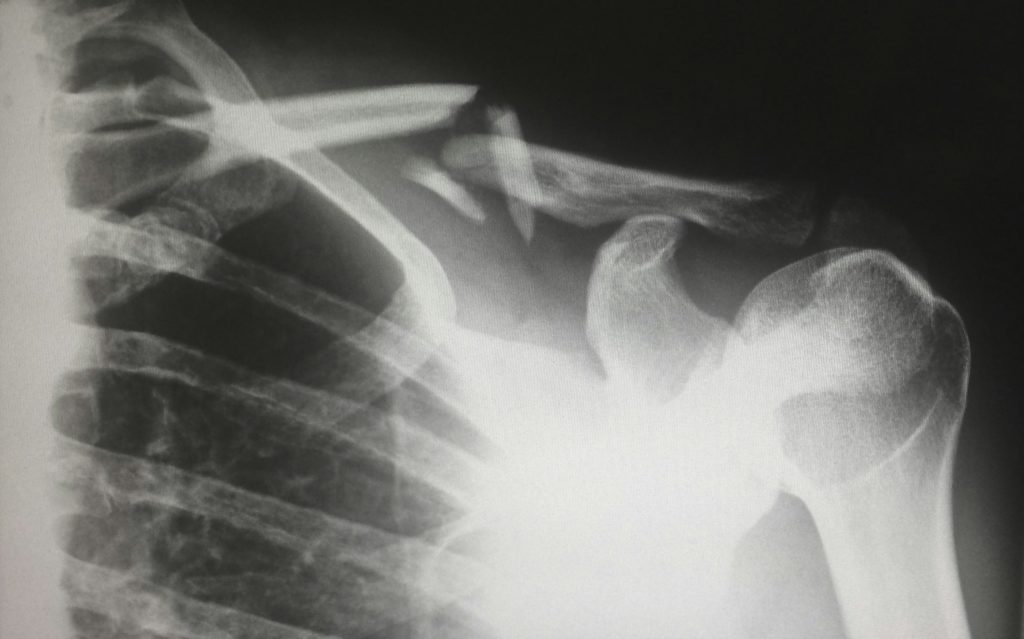
Ultra-processed foods linked to poor bone health
Eating more ultra-processed foods may also be bad for your bones, according to a new…
Joint statement: Call on the European Commission to mandate Extended Producer Responsibility for Food Products
SAFE with a coalition of businesses, cities, waste managers and other civil society organisations signed…
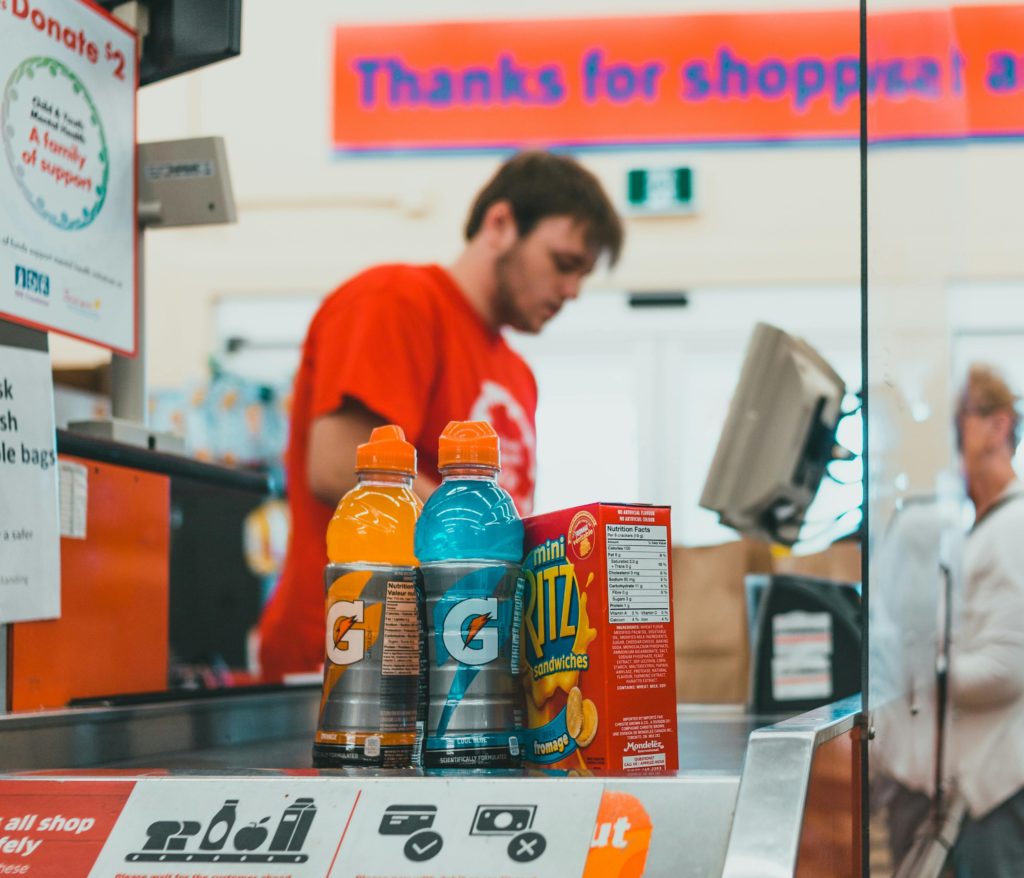
Switzerland debates banning sweets at supermarket checkouts
Switzerland may consider banning sweets at supermarket checkouts after a study by the French-speaking Swiss…

Un gran estudio revela qué cánceres tienen menos riesgo los vegetarianos… y cuál aumenta
InfosalusClick here to read the original article (in Spanish).Read More