
Commission publishes Country Cancer Profiles ahead of World Cancer Day
03 February 2025

Today, ahead of World Cancer Day, the European Commission and the Organisation for Economic Co-operation and Development (OECD) released the Country Cancer Profiles for all EU member states, Norway, and Iceland under the European Cancer Inequalities Registry. These profiles are designed to identify disparities in cancer prevention and care, highlighting key achievements, challenges, and differences within and between each country.
The report offers hope, showing an increase in cancer survival rates across the EU. However, while cancer mortality has decreased by 12%, the prevalence of cancer—meaning the number of people having the disease—has increased by 24%.
Significant inequalities in cancer mortality persist. Rates are highest in low-income countries, among individuals with lower education levels, and among men. These disparities are linked to differences in access to and standards of care.
Alcohol consumption and smoking are risk factors for cancer. The report indicates that while they have decreased, other concerning risk factors such as overweight and obesity continue to rise.
Another important trend highlighted is the decline in screening for breast and cervical cancer, which undermines efforts for early detection.
These issues are being addressed as part of Europe’s Beating Cancer Plan. The plan focuses on improving cancer prevention, early detection, diagnosis, treatment and quality of life of cancer patients and survivors in the EU.
In summary, this report reveals that although cancer survival rates have improved and people are living better lives with the disease, better prevention is needed as the number of people having cancer continues to rise. Risk factors are increasingly related to our diets, early detection needs to be improved, and existing inequalities must be addressed.
Cancer is one of the non-communicable diseases (NCDs) that account for three-quarters of all deaths worldwide. SAFE’s project Preventia aims to prevent NCDs through a holistic approach by reducing risk factors such as unhealthy diets.
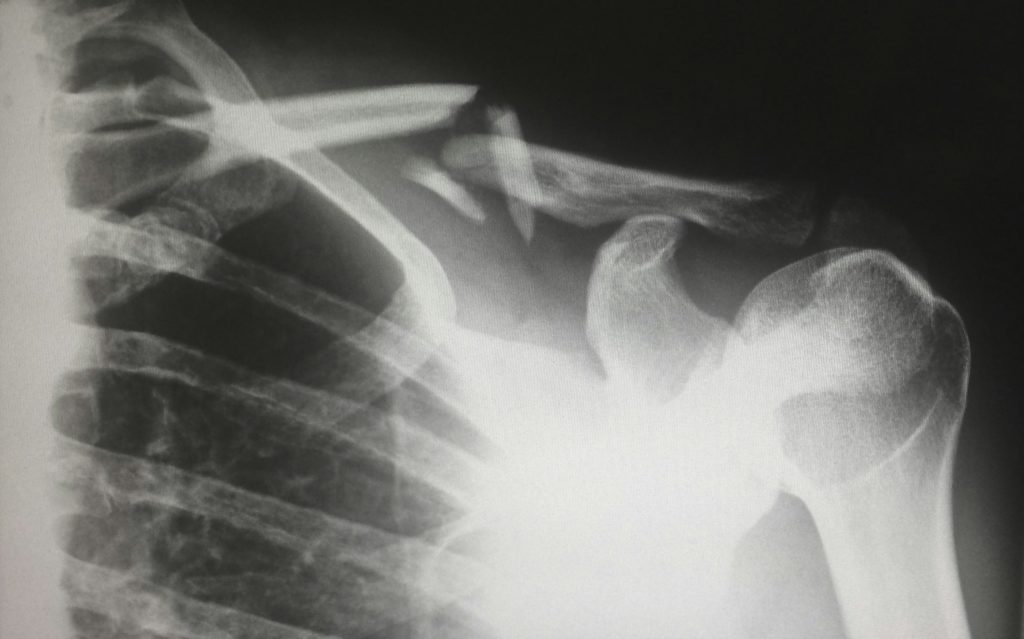
Ultra-processed foods linked to poor bone health
Eating more ultra-processed foods may also be bad for your bones, according to a new…

Switzerland debates banning sweets at supermarket checkouts
Switzerland may consider banning sweets at supermarket checkouts after a study by the French-speaking Swiss…

Vegetarians have a substantially lower risk of five types of cancer
Vegetarians have a substantially lower risk of five types of cancer, according to a landmark…

Healthy dietary patterns are linked to a lower risk of cognitive decline
A recent study published in JAMA Neurology reported that healthy dietary patterns are linked to…

Healthy dietary patterns prolong life expectancy, regardless of longevity genes
A study published in Science Advances examined whether five well‑known healthy dietary patterns are associated…
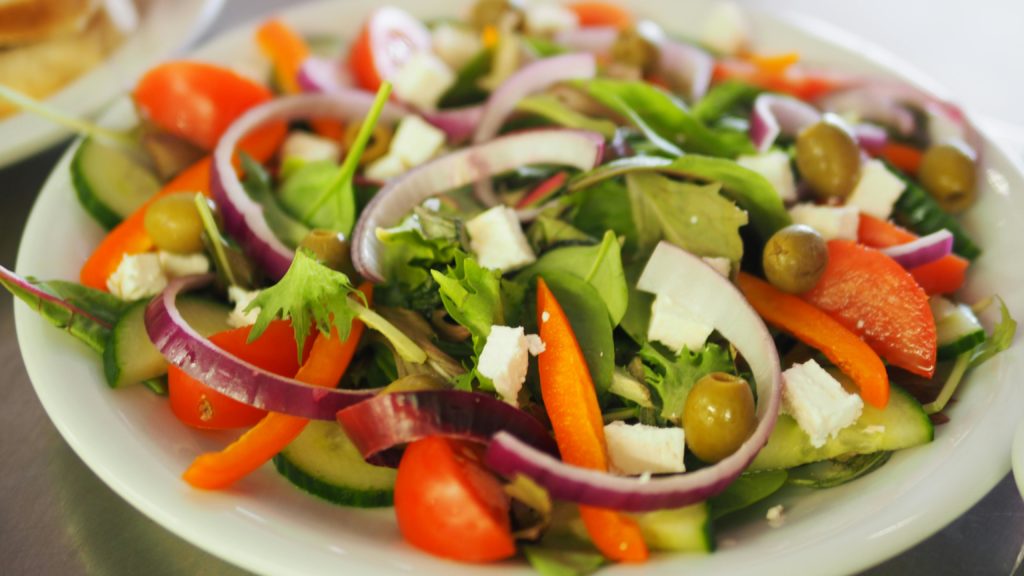
Italian study proves impact of Mediterranean Diet on CVD prevention
A meta-analysis of 1.4 million people published in Science Direct shows consistent protection against cardiovascular…