
Combating honey fraud and enhancing traceability and labeling regulations established in the European Union
02 February 2024
A crucial step forward has been made when negotiators from the European Parliament and EU Council came to a temporary agreement to combat adulterated honey and improve openness in the industry, as reported by Food Ingredients. The agreement focuses on revising regulations pertaining to specific breakfast items’ composition, names, labels, and presentations.
The agreement includes a significant new requirement for honey blends: a label that clearly identifies the nations of origin in descending order along with their proportional shares. This action is meant to combat fraud, namely with regard to imports of honey that may have been tampered with to include sugar.
The agreement also highlights the need for better consumer education, mandating the disclosure of honey origin percentages from at least the top four countries. The larger plan includes innovations like a sensor created in China to identify water adulteration in honey and a pledge to improve traceability via an EU platform of experts and a unique identification code. These actions are a reaction to ongoing worries in the EU about adulterated honey. It is anticipated that the accord, which was addressed in the “Breakfast Directives,” will be legally implemented later this year.

SAFE releases a report in partnership with Healthy Food Healthy Planet on regulating HFSS marketing to children
SAFE updated its report on high-fat, sugar, and salt (HFSS) Food Marketing targeting children, in…

Un estudio revela que consumir más alimentos ultraprocesados está relacionado con una peor salud ósea
InfobaeClick here to read the article (in Spanish).Read More
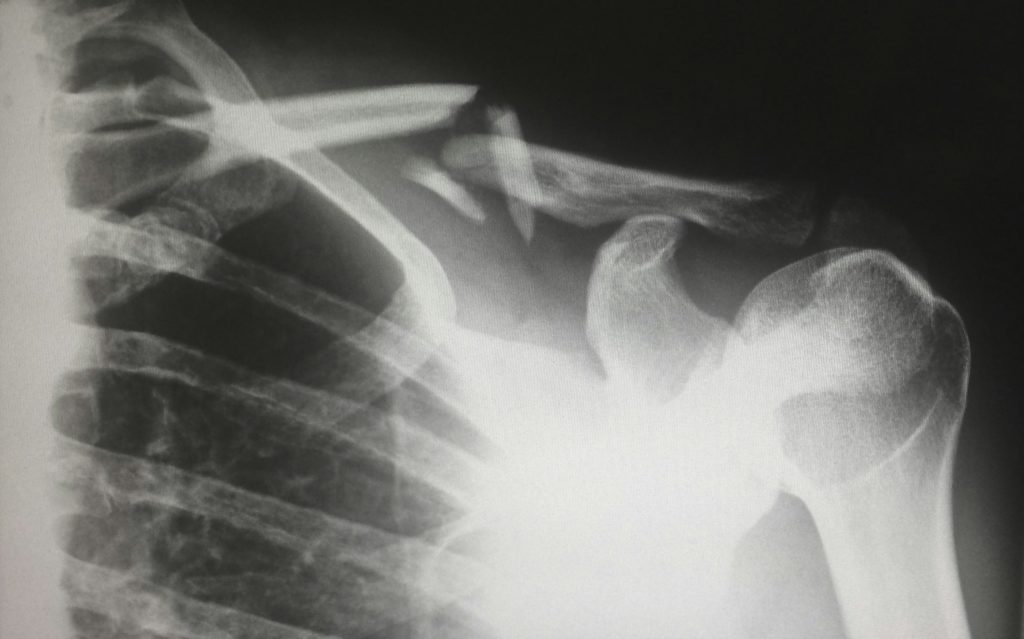
Ultra-processed foods linked to poor bone health
Eating more ultra-processed foods may also be bad for your bones, according to a new…
Joint statement: Call on the European Commission to mandate Extended Producer Responsibility for Food Products
SAFE with a coalition of businesses, cities, waste managers and other civil society organisations signed…
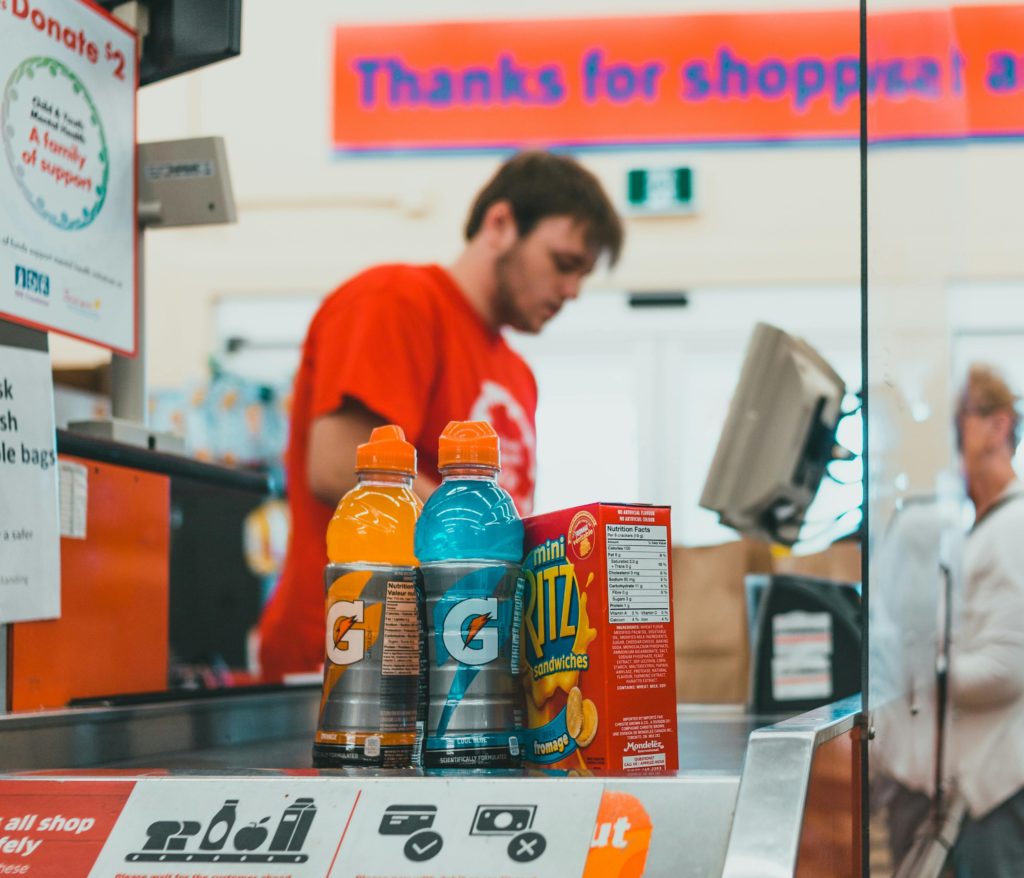
Switzerland debates banning sweets at supermarket checkouts
Switzerland may consider banning sweets at supermarket checkouts after a study by the French-speaking Swiss…

Un gran estudio revela qué cánceres tienen menos riesgo los vegetarianos… y cuál aumenta
InfosalusClick here to read the original article (in Spanish).Read More