
BPA exposure is more harmful on children with obesity, says research
26 March 2024
Bisphenol A (BPA) is an industrial chemical used to manufacture polycarbonate plastic, a material used to make some food contact materials – such as water dispensers or articles for food production – as well as in the manufacturing of food and beverage cans.
Small amounts of BPA can transfer into food and drinks from containers and packaging. It may then damage fertility and disrupt the hormonal systems of people and animals. Furthermore, the European Food Safety Authority (EFSA) has raised concerns that BPA has potentially harmful health effects on the immune system.
According to FoodNavigator Europe, a new research has come to light: BPA exposure could promote different microbial communities in children with obesity compared to normal-weight kids.
Earlier research indicates that significant exposure to BPA could modify the intestinal flora. Subsequently, a team of Spanish scientists examined a group of children to explore the differences in gut microbiome among those who had been exposed to BPA. The results imply that the gastrointestinal microorganisms in children of normal weight might possess greater resistance to exposure to chemicals such as BPA.
Microplastics that enter our bodies and circulate in the environment are associated with health risks and it is crucial to raise awareness about these concerns.
The Commission has proposed a ban on BPA in food contact materials by early 2026.
SAFE has been advocating for phasing out bisphenol A from all consumer products as soon as possible, as well as banning the chemical from products with which children come in direct and close contact.

SAFE releases a report in partnership with Healthy Food Healthy Planet on regulating HFSS marketing to children
SAFE updated its report on high-fat, sugar, and salt (HFSS) Food Marketing targeting children, in…

Un estudio revela que consumir más alimentos ultraprocesados está relacionado con una peor salud ósea
InfobaeClick here to read the article (in Spanish).Read More
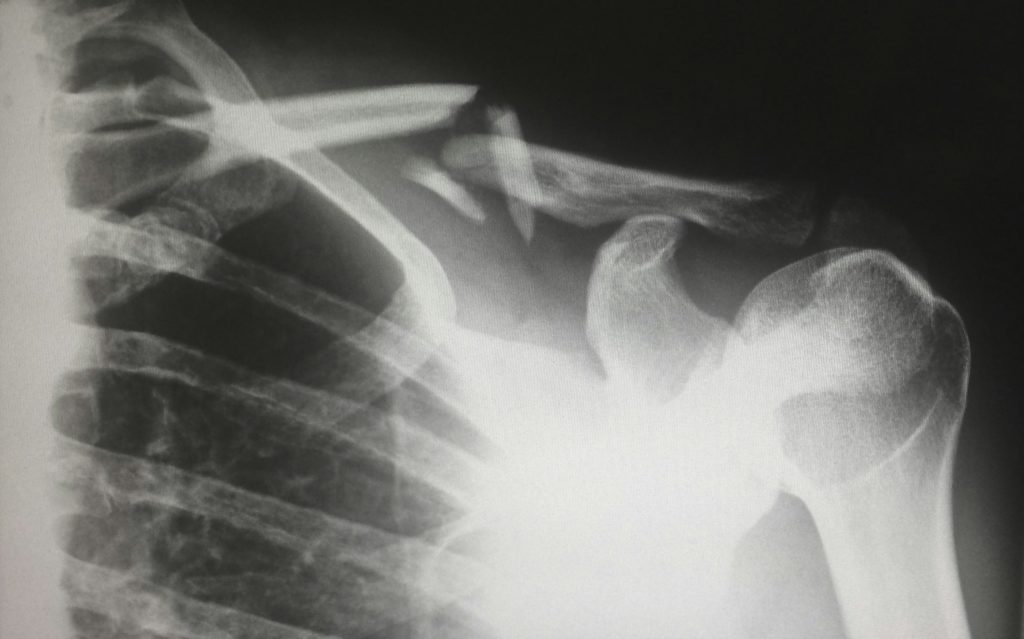
Ultra-processed foods linked to poor bone health
Eating more ultra-processed foods may also be bad for your bones, according to a new…
Joint statement: Call on the European Commission to mandate Extended Producer Responsibility for Food Products
SAFE with a coalition of businesses, cities, waste managers and other civil society organisations signed…
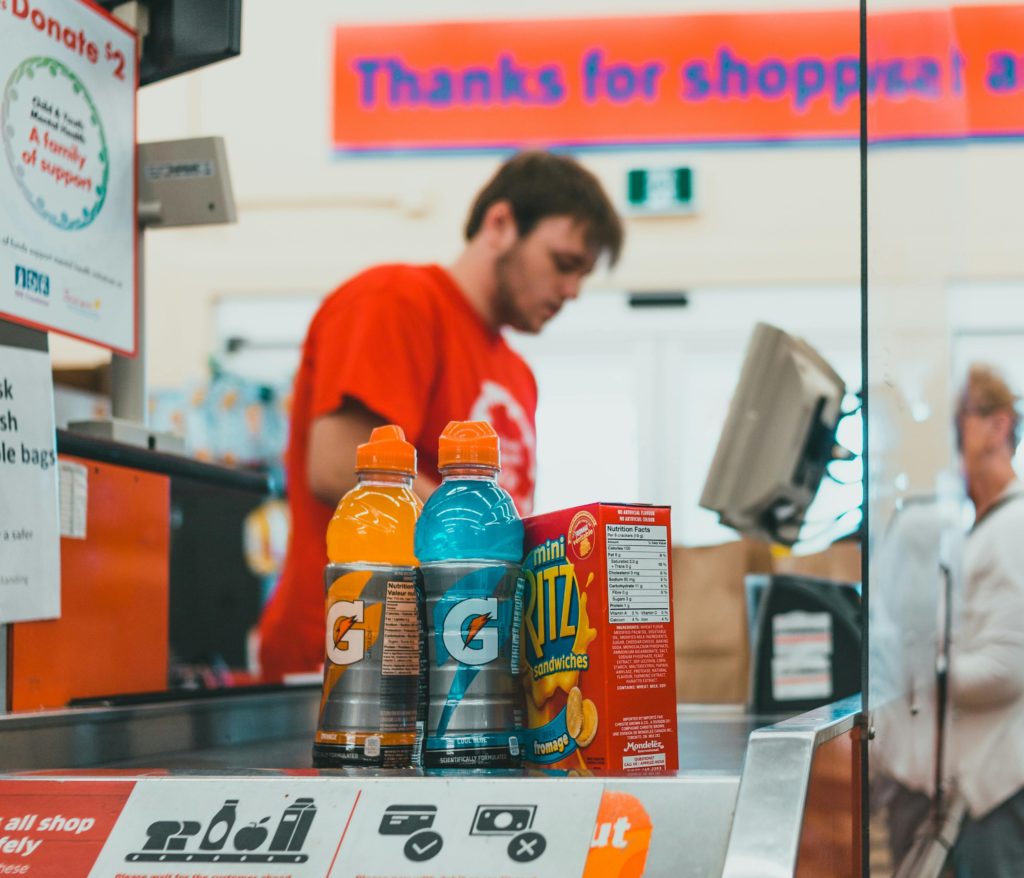
Switzerland debates banning sweets at supermarket checkouts
Switzerland may consider banning sweets at supermarket checkouts after a study by the French-speaking Swiss…

Un gran estudio revela qué cánceres tienen menos riesgo los vegetarianos… y cuál aumenta
InfosalusClick here to read the original article (in Spanish).Read More