

Biodiversity is vital to food security
13 November 2024
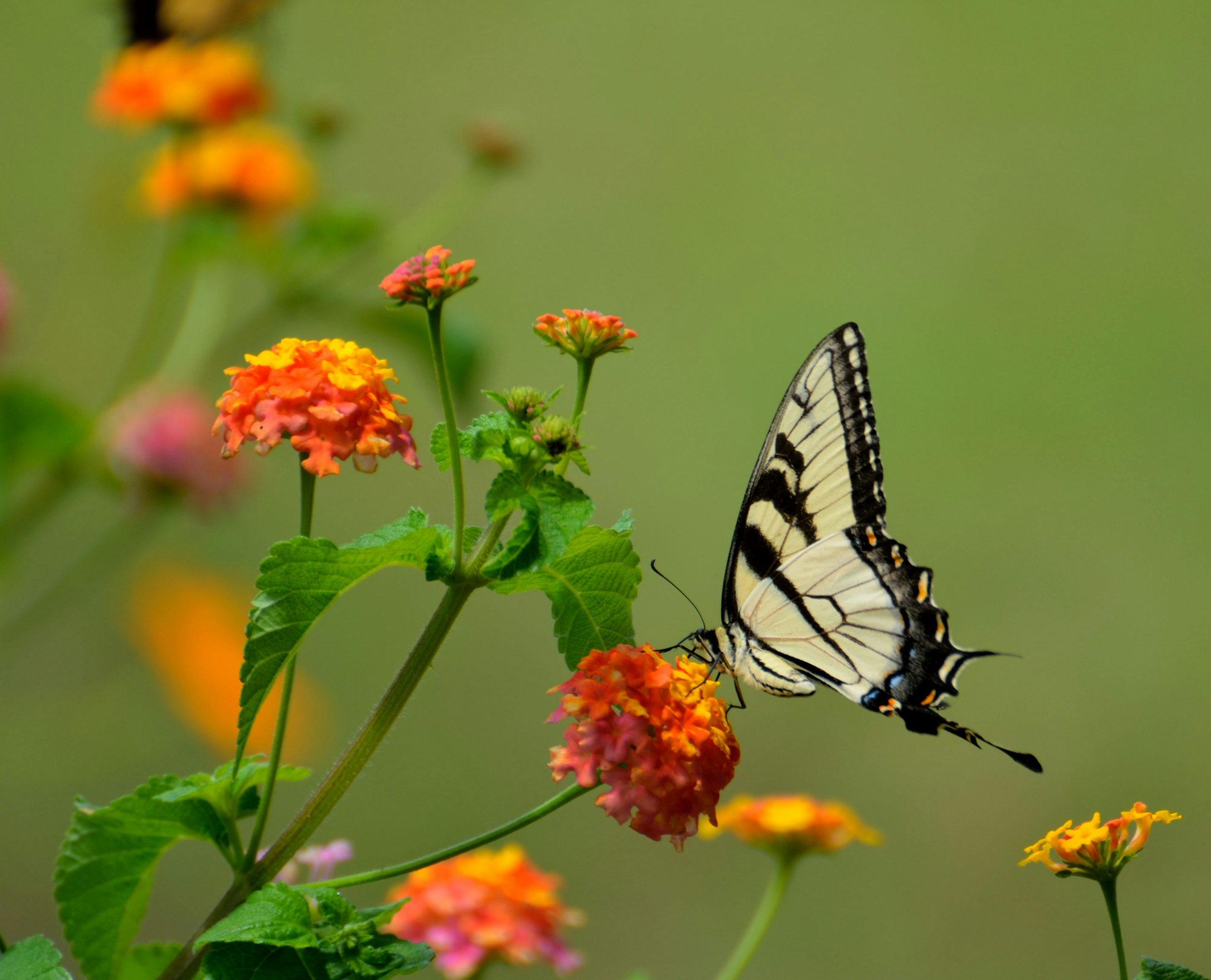
As reported by FoodNavigator Europe, nature provides essential services like pollination, pest control, and waste decomposition. When biodiversity decreases, these services are reduced, making food production harder.
Without biodiversity, crops become more vulnerable to diseases and less nutritious. Farmers may rely on fewer crop types, leading to monocultures, which further reduce biodiversity and increase the need for chemical fertilisers and pesticides. A lack of diversity can lead to widespread crop failures and food shortages. This cycle also worsens biodiversity loss, soil degradation, pollution, economic losses, and health issues.
Similarly, food production contributes to biodiversity loss. Pesticides harm fungi and animals, while excessive ploughing and overstocking livestock degrade soil.
Regenerative agriculture promotes biodiversity by adopting agricultural practices that sustain and improve it. SAFE participated in the RegAgri4Europe project from 2021 to 2022, which provides an online course on regenerative agriculture for farmers and apprentices.
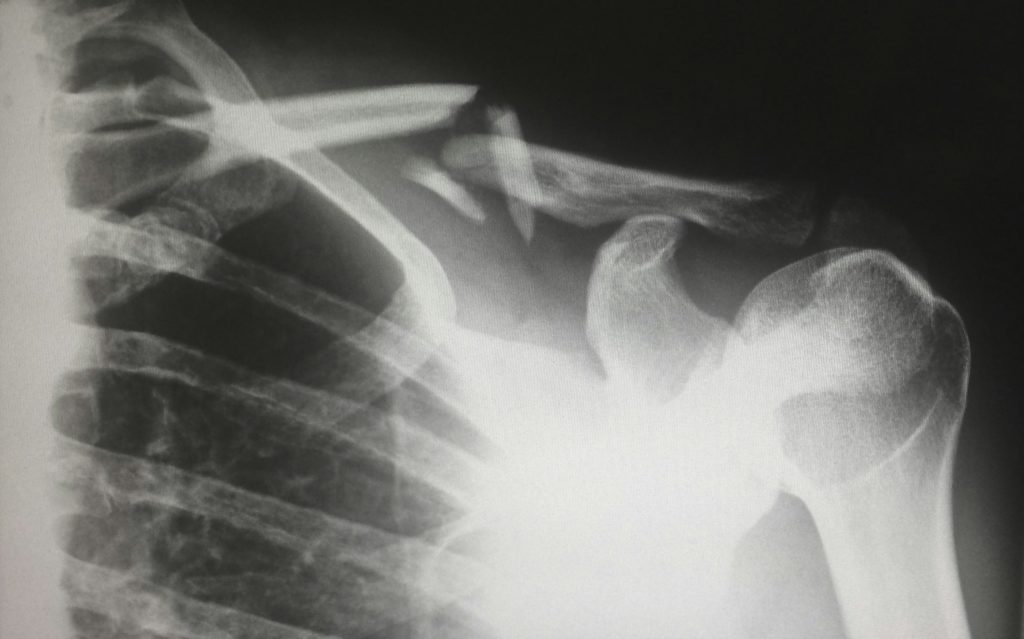
Ultra-processed foods linked to poor bone health
Eating more ultra-processed foods may also be bad for your bones, according to a new…

Switzerland debates banning sweets at supermarket checkouts
Switzerland may consider banning sweets at supermarket checkouts after a study by the French-speaking Swiss…

Vegetarians have a substantially lower risk of five types of cancer
Vegetarians have a substantially lower risk of five types of cancer, according to a landmark…
Healthy dietary patterns are linked to a lower risk of cognitive decline
A recent study published in JAMA Neurology reported that healthy dietary patterns are linked to…

Healthy dietary patterns prolong life expectancy, regardless of longevity genes
A study published in Science Advances examined whether five well‑known healthy dietary patterns are associated…

Italian study proves impact of Mediterranean Diet on CVD prevention
A meta-analysis of 1.4 million people published in Science Direct shows consistent protection against cardiovascular…