
Are high-fat foods contributing to the anxiety epidemic?
31 July 2024
Share this article
High-fat foods are widely recognised as the leading cause of obesity. As reported by Food Navigator Europe, scientists are now exploring their potential links to another growing health issue: anxiety. Researchers at the University of Colorado Boulder investigated whether high-fat diets can disrupt gut health and increase anxiety by affecting brain chemistry.
In their study on rats, those on a high-fat diet gained weight and showed less diversity in gut bacteria. They also had higher levels of genes involved in producing and signaling the neurotransmitter serotonin. Certain subsets of serotonin neurons, when activated, can trigger anxiety-like responses in animals.
As we learn more about gut-brain communication, it is likely that diet will be linked to other mental health issues.
However, not all high-fat foods are harmful. The rats primarily consumed foods high in saturated fats, such as processed meats, butter, and cheese, which are high in cholesterol and associated with weight gain and heart disease. Many fats are beneficial for the body, including those found in fish, avocados, nuts, and seeds, which are linked to health benefits like reduced inflammation and a lower risk of heart disease. Nonetheless, even good fats should be consumed in moderation.
Follow SAFE on social media
.

SAFE releases a report in partnership with Healthy Food Healthy Planet on regulating HFSS marketing to children
SAFE updated its report on high-fat, sugar, and salt (HFSS) Food Marketing targeting children, in…

Un estudio revela que consumir más alimentos ultraprocesados está relacionado con una peor salud ósea
InfobaeClick here to read the article (in Spanish).Read More
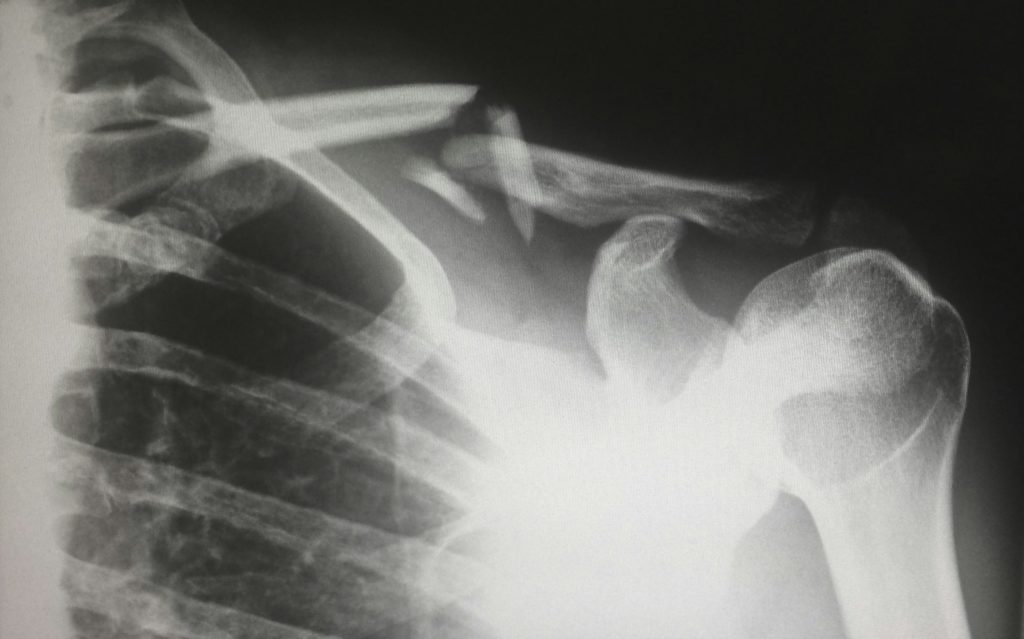
Ultra-processed foods linked to poor bone health
Eating more ultra-processed foods may also be bad for your bones, according to a new…
Joint statement: Call on the European Commission to mandate Extended Producer Responsibility for Food Products
SAFE with a coalition of businesses, cities, waste managers and other civil society organisations signed…
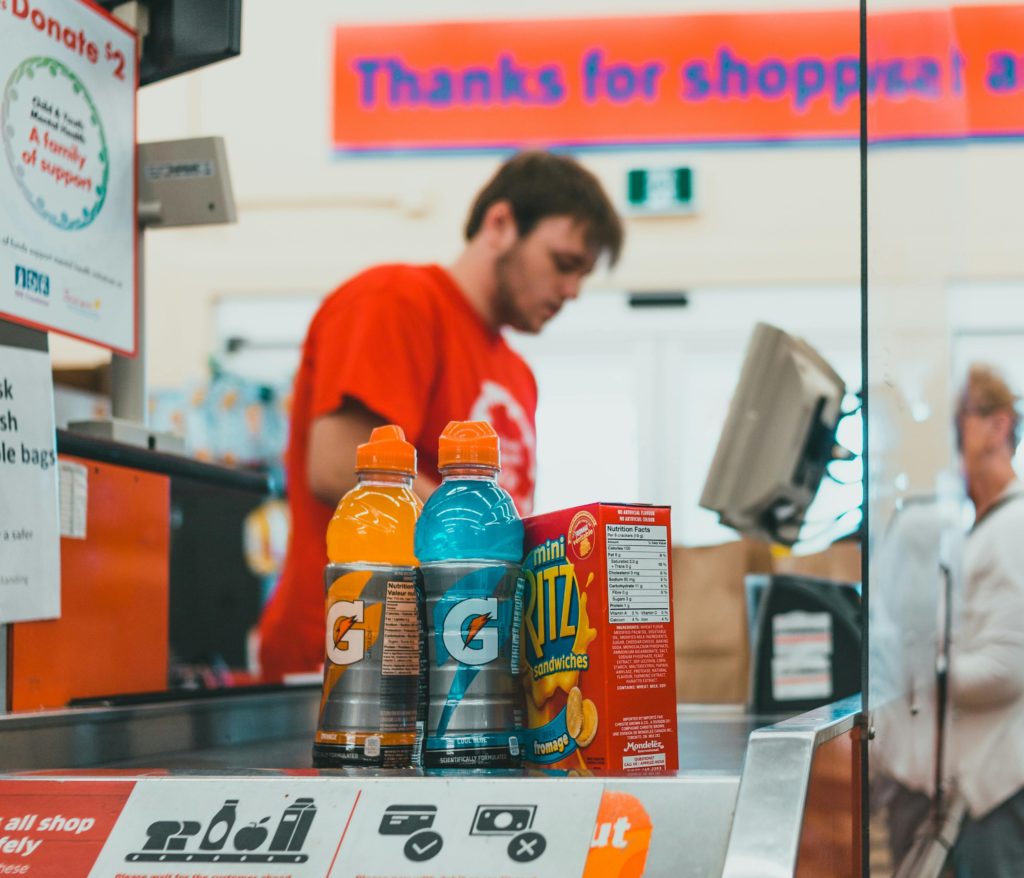
Switzerland debates banning sweets at supermarket checkouts
Switzerland may consider banning sweets at supermarket checkouts after a study by the French-speaking Swiss…

Un gran estudio revela qué cánceres tienen menos riesgo los vegetarianos… y cuál aumenta
InfosalusClick here to read the original article (in Spanish).Read More