

A double standard in global trade and EU health protection: How Europe’s banned pesticides end up on our plates
08 October 2024
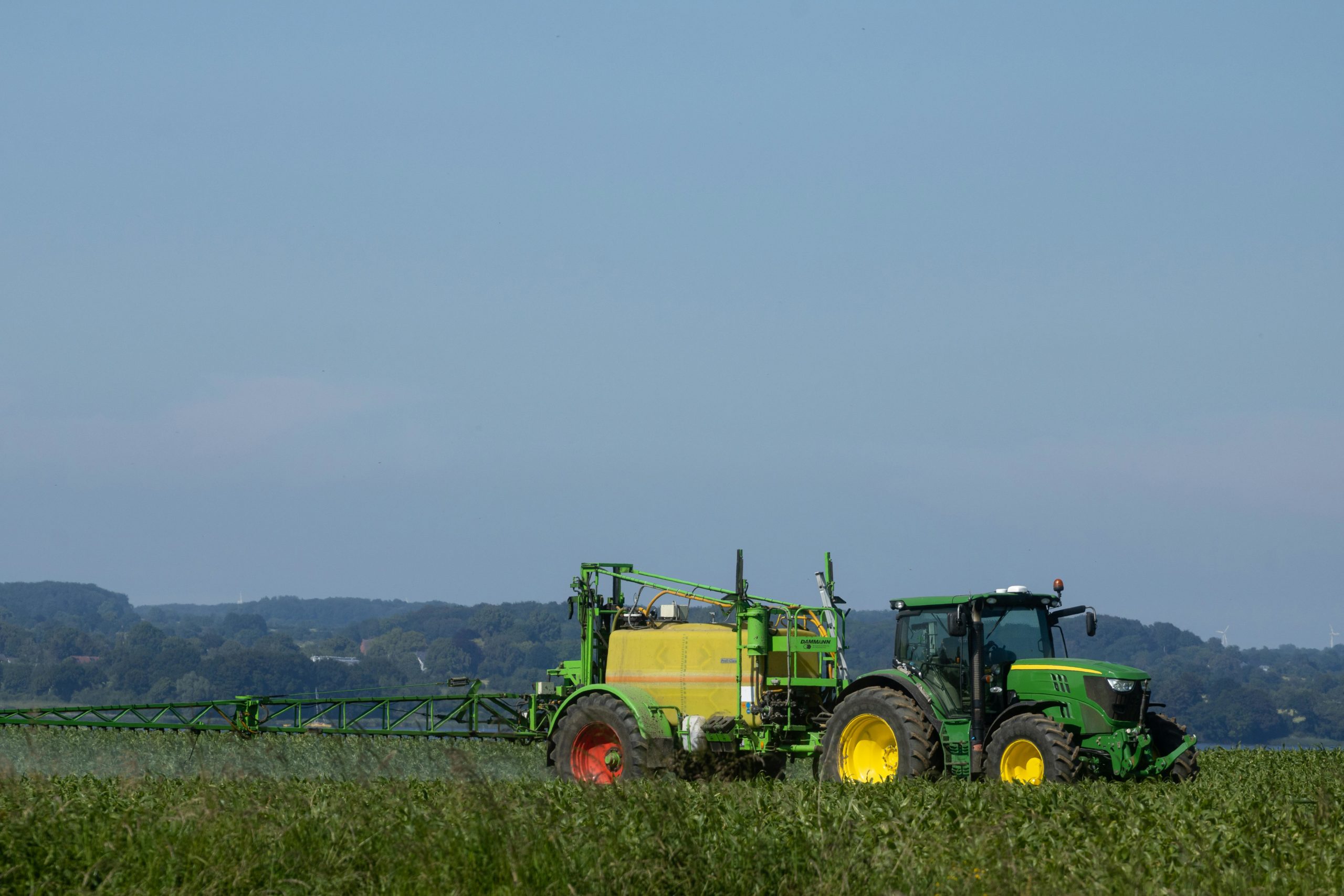
A new report by PAN Europe reveals that hazardous pesticides banned in Europe can still be found in European consumers’ diets.
These toxic pesticides, often produced by European companies, are exported to countries with weaker safety regulations. The EU then imports food grown with these pesticides, allowing residues to be detected in food.
The EU exports these banned pesticides mainly to low- and middle-income countries with weaker environmental and health protections.
The report indicates that tea, coffee, spices and legumes had the highest contamination rates.
According to the Rapid Alert System for Food and Feed, from all the foods that were rejected or removed from the market due to chemical contamination problems, only 0.2% were related to the presence of pesticides not permitted in the EU. This casts serious doubts about the European control system’s ability to enforce food legislation on imports. SAFE calls for improved controls for import products to protect consumers.
Barcelona plans network of affordable shops
Barcelona is preparing a network of shops designed to make fresh food more affordable for…
SAFE warns about labelling uncertainty around allergens in proteins from precision fermentation
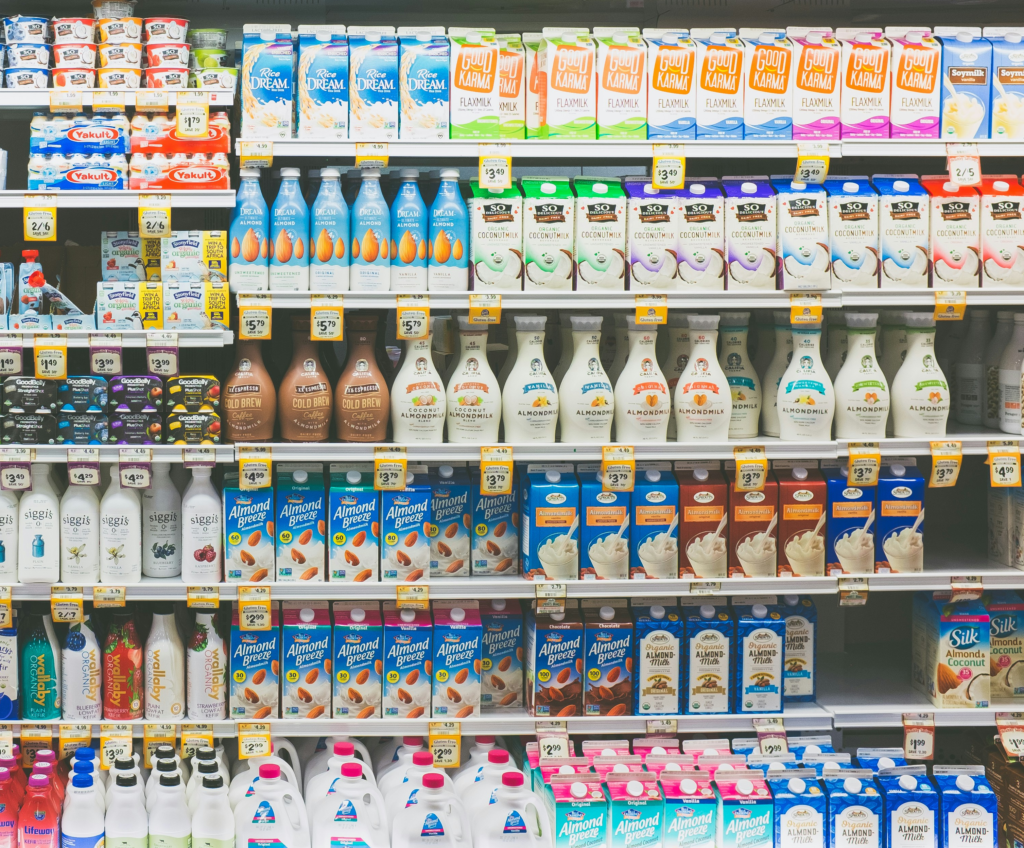
Dairy products in the supermarket SAFE has sent a letter to the European Commission’s DG…
SAFE supports Slovakian lawsuit against NGT regulation
Plants in laboratory. SAFE supports the lawsuit by the Slovakian government, announced this morning, against…

UPFs: The Commission has all the elements to implement mitigation measures
The worker in the factory places the chicken schnitzel The health risks associated with the…
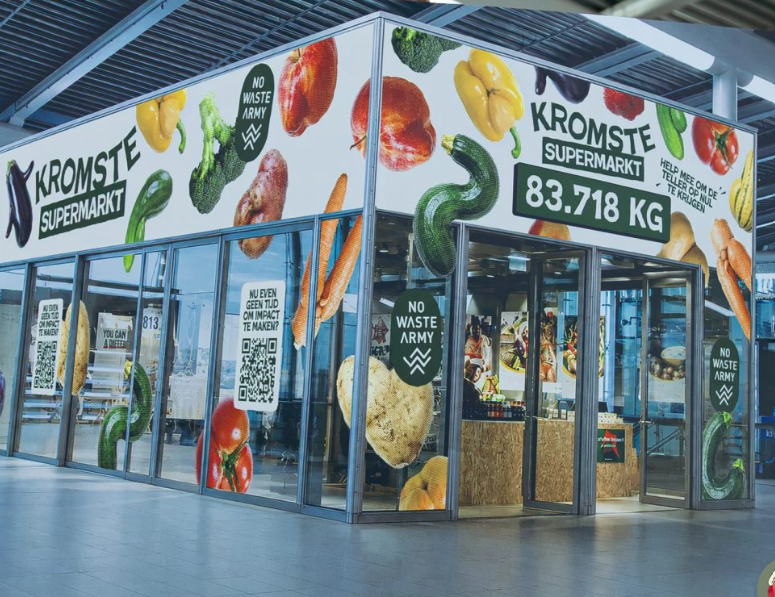
Utrecht is opening a supermarket for “ugly food”
In Utrecht, the Netherlands, from 7 to 13 September, the No Waste Army organisation is…
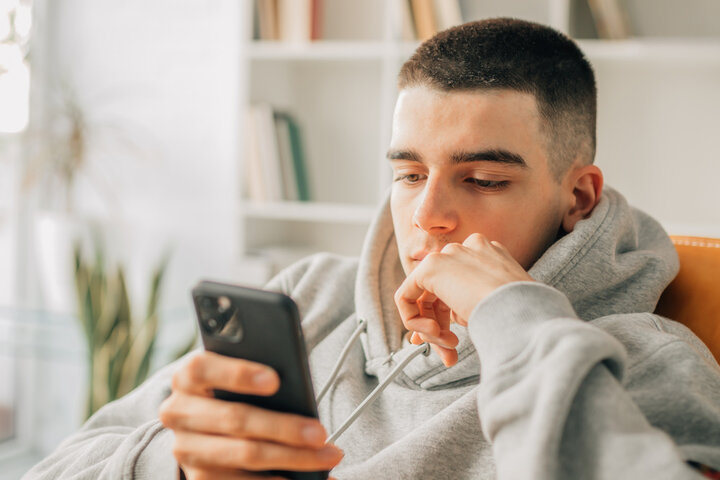
France becomes first EU country to ban social media access for under-15s
France’s parliament has approved a bill banning social media access for children under 15, making…