

A double standard in global trade and EU health protection: How Europe’s banned pesticides end up on our plates
08 October 2024
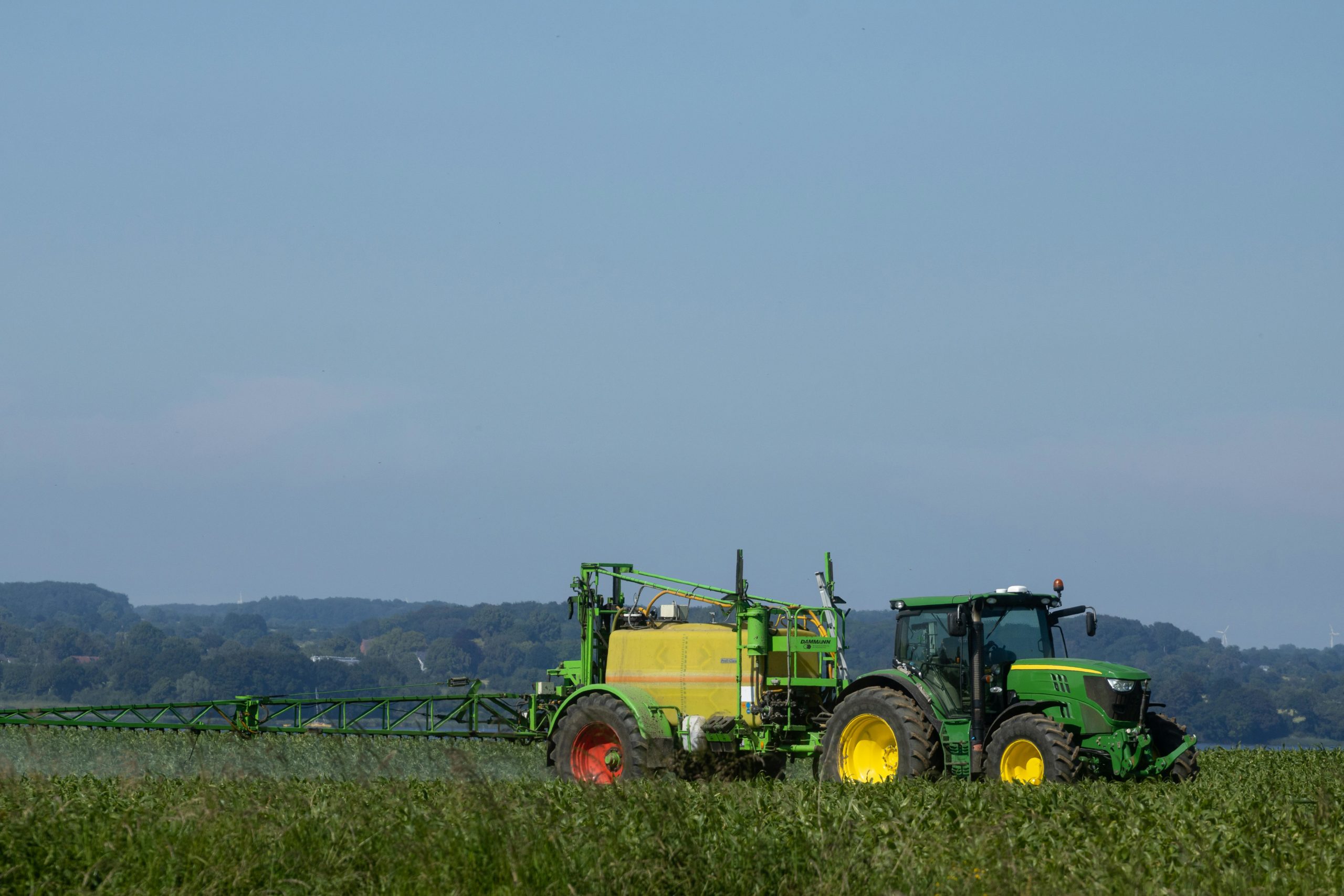
A new report by PAN Europe reveals that hazardous pesticides banned in Europe can still be found in European consumers’ diets.
These toxic pesticides, often produced by European companies, are exported to countries with weaker safety regulations. The EU then imports food grown with these pesticides, allowing residues to be detected in food.
The EU exports these banned pesticides mainly to low- and middle-income countries with weaker environmental and health protections.
The report indicates that tea, coffee, spices and legumes had the highest contamination rates.
According to the Rapid Alert System for Food and Feed, from all the foods that were rejected or removed from the market due to chemical contamination problems, only 0.2% were related to the presence of pesticides not permitted in the EU. This casts serious doubts about the European control system’s ability to enforce food legislation on imports. SAFE calls for improved controls for import products to protect consumers.

SAFE releases a report in partnership with Healthy Food Healthy Planet on regulating HFSS marketing to children
SAFE updated its report on high-fat, sugar, and salt (HFSS) Food Marketing targeting children, in…

Un estudio revela que consumir más alimentos ultraprocesados está relacionado con una peor salud ósea
InfobaeClick here to read the article (in Spanish).Read More
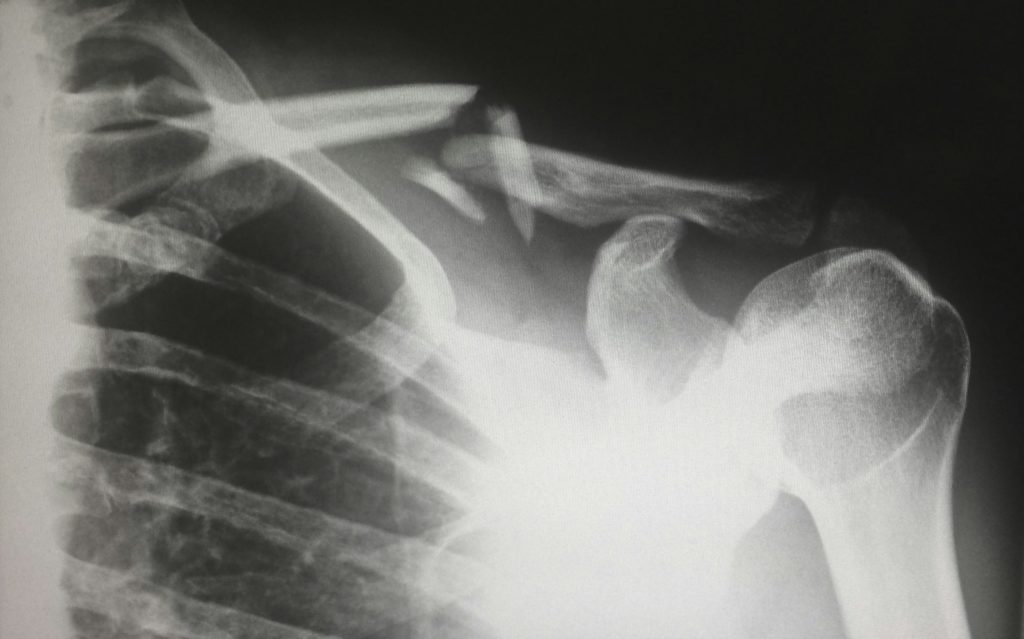
Ultra-processed foods linked to poor bone health
Eating more ultra-processed foods may also be bad for your bones, according to a new…
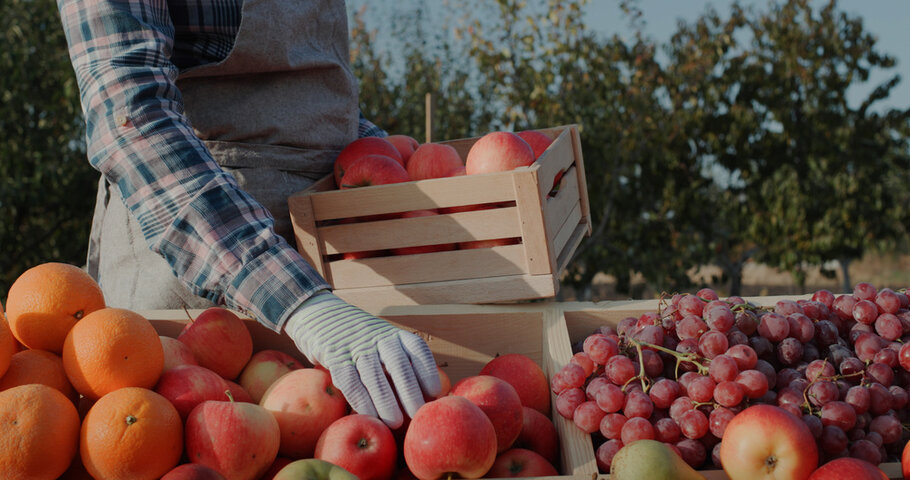
Joint statement: Call on the European Commission to mandate Extended Producer Responsibility for Food Products
SAFE with a coalition of businesses, cities, waste managers and other civil society organisations signed…
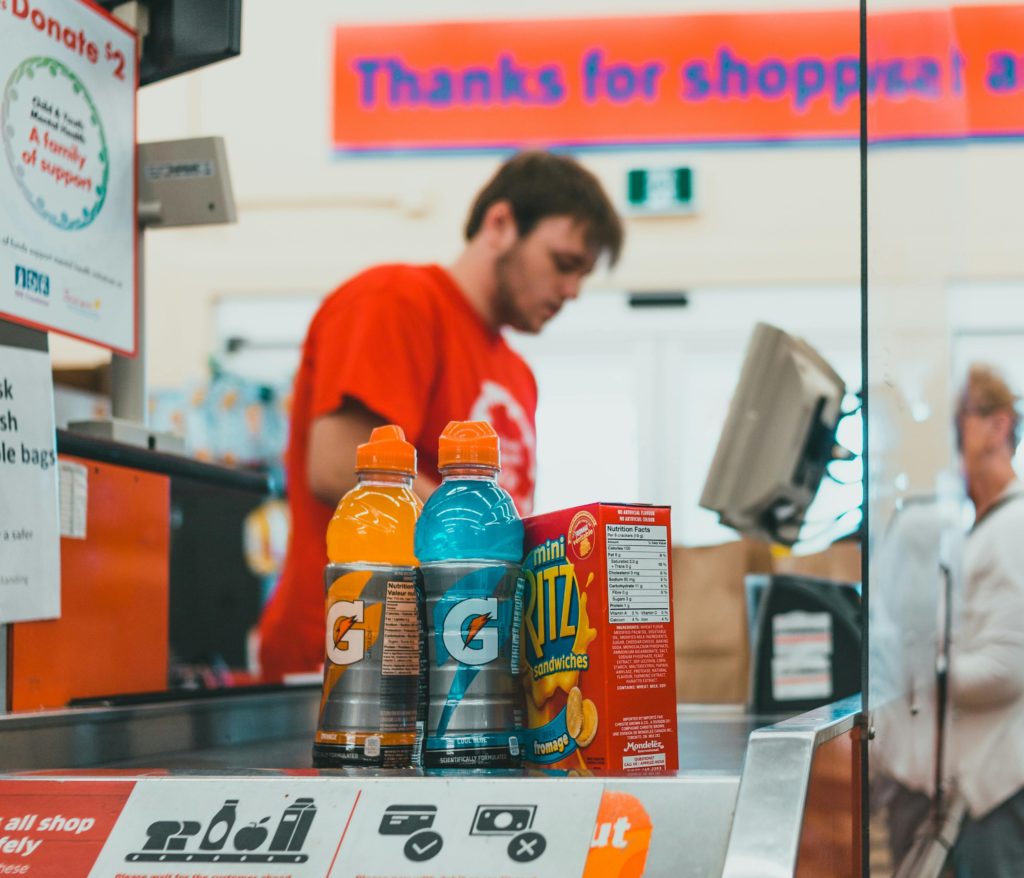
Switzerland debates banning sweets at supermarket checkouts
Switzerland may consider banning sweets at supermarket checkouts after a study by the French-speaking Swiss…

Un gran estudio revela qué cánceres tienen menos riesgo los vegetarianos… y cuál aumenta
InfosalusClick here to read the original article (in Spanish).Read More